If you’ve received a notice in the mail telling you to schedule a backflow test, you’re not alone. A lot of homeowners in Burlingame see that notice and aren’t quite sure what to do with it. Is it urgent? Who handles it? What exactly is being tested? Here’s a straightforward breakdown of what backflow testing is, why it’s required, and what you can expect as a homeowner.
What Is Backflow, and Why Does It Matter?
Backflow happens when water flows in the wrong direction through your plumbing system. Normally, water moves one way: from the municipal supply into your home. But under certain conditions, like a sudden drop in water pressure, that flow can reverse. When it does, contaminated water from irrigation systems, pools, or other sources can get pulled back into the clean water supply.
That’s not a hypothetical risk. It’s the reason cities like Burlingame take backflow prevention seriously, and why testing is required on a regular basis.
Who Is Required to Get Backflow Testing in Burlingame, CA?
In Burlingame, CA, backflow testing requirements are governed by the local water utility and align with California state plumbing codes. Generally speaking, the following property types are required to have backflow prevention assemblies tested annually:
- Properties with irrigation systems
- Homes with pools or spas
- Properties that have a secondary water source
- Any connection considered a cross-connection risk by the water authority
Even if your home doesn’t fall into one of those categories, it’s worth checking with your water provider directly. Requirements can vary based on your specific service connection and how your plumbing is set up.
How Often Does Backflow Testing Need to Happen?
For most residential properties in Burlingame, CA, backflow testing is required once a year. The annual schedule exists because backflow prevention devices can wear down over time. Seals degrade, springs lose tension, and a device that passed last year might not perform the same way this year. Annual testing catches those issues before they become a real problem.
After each test, the results are typically submitted directly to the water authority by the licensed tester. You’ll usually receive a copy for your records as well.
What Happens During a Backflow Test?
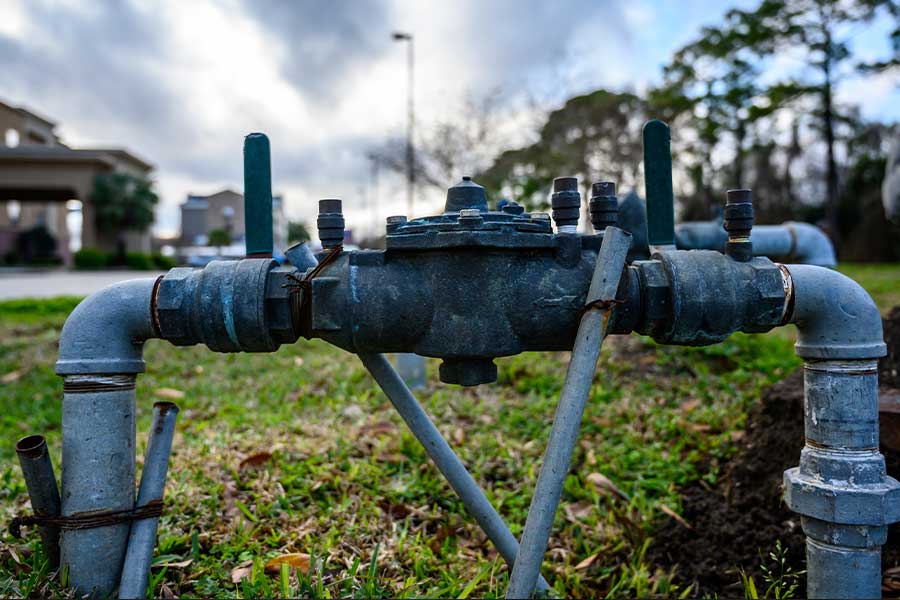
The test itself is relatively quick and noninvasive. A certified backflow tester will locate your backflow prevention assembly, usually near your water meter or where the main line enters the property, and run the device through a series of pressure checks using a test kit.
The whole process generally takes under an hour. In most cases, your water service won’t be interrupted for long, and the tester will let you know right away if the device passed or if any repairs are needed.
What If Your Backflow Device Fails the Test?
A failed test doesn’t mean you’re in serious trouble, but it does mean the device needs to be repaired or replaced before it can be certified. This is something a licensed plumber can handle. A solid plumbing inspection can also help identify whether there are other issues in your system contributing to the problem, like pressure irregularities or aging components.
Don’t ignore a failed test. Your water utility may follow up, and unresolved backflow issues can put your household and your neighbors at risk.
Who Can Perform Backflow Testing in Burlingame, CA?
In California, backflow testing must be performed by a certified backflow prevention assembly tester. This is a specific certification, separate from a general plumbing license. When you hire someone for this job, make sure they hold a valid California backflow certification and are familiar with submitting results to your local water authority.
If your device needs repairs after a failed test, that work needs to be done by a licensed plumber. Some certified testers are also licensed plumbers, which can make the process a little more straightforward.
Can You Be Fined for Skipping Backflow Testing?
Yes, non-compliance can have consequences. If you ignore a backflow testing notice from your water utility, you may face fines or, in more serious cases, service interruption. The notice isn’t just a suggestion. It’s a regulatory requirement tied to your water service agreement.
If you’ve fallen behind on testing, the best move is to schedule it as soon as possible rather than wait for the situation to escalate.
What Homeowners Often Overlook About Backflow Prevention
A lot of homeowners assume backflow testing is only a commercial concern. That’s a common misconception. Residential properties with irrigation systems are among the most common sources of cross-contamination risk. Pesticides, fertilizers, and other chemicals in your yard can make their way back into the water supply if your backflow preventer isn’t functioning properly.
It’s also worth knowing that if you’ve had any recent water line repair or replacement work done, your backflow prevention assembly may need to be retested. Changes to the plumbing system can affect how the device performs.
Staying on Top of Backflow Requirements in Burlingame, CA
The easiest way to stay compliant is to keep track of your annual testing schedule and act promptly when you receive a notice. Set a reminder after each test so you’re not caught off guard the following year. Keep your test reports on file in case your water utility ever requests documentation.
If you’re not sure whether your property requires testing, a quick call to your local water provider or a licensed plumber can give you a clear answer without any guesswork.
Schedule Your Backflow Test with Works Plumbing
Whether you’ve received a notice or just want to make sure your system is up to code, Works Plumbing is here to help. Our team knows the local requirements in Burlingame, CA, and can walk you through the entire process from testing to any repairs that might be needed. Call us today or book online to get your backflow test scheduled.