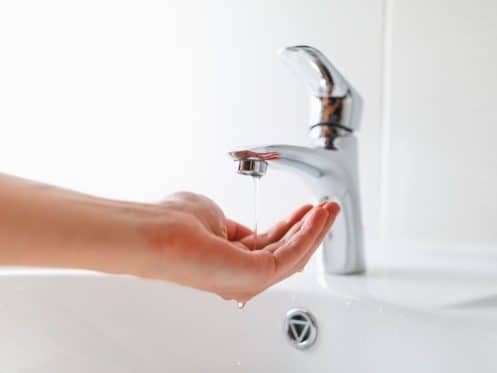
If you’ve noticed your shower feels more like a light drizzle or it takes forever to rinse the soap off your hands, low water pressure is likely the culprit. It’s one of those problems that starts as a minor annoyance and gradually becomes a real disruption to daily life. The tricky part is that low water pressure isn’t a problem in itself. It’s a symptom of something else going on in your plumbing system. Here are six of the most common reasons Burlingame homeowners end up needing low water pressure repair and what each one means for your home.
1. Mineral Buildup Inside Your Pipes
Burlingame gets its water from a regional supply that, like most municipal water, carries dissolved minerals. Over time, those minerals, primarily calcium and magnesium, accumulate on the interior walls of your pipes. This buildup, commonly called scaling, gradually narrows the passage through which water flows. The result is reduced flow and pressure at your fixtures.
This issue tends to develop slowly, which is why many homeowners don’t notice it until the pressure drop becomes significant. Older homes with original pipes are especially vulnerable because the buildup has had years, sometimes decades, to accumulate.
2. Pipe Corrosion and Deterioration
Many homes in Burlingame, CA, were built during an era when galvanized steel pipes were the standard. Galvanized pipe has a lifespan, and once it starts to corrode from the inside out, rust and debris begin to restrict water flow. Unlike mineral scaling, corrosion also affects the structural integrity of the pipe itself, meaning the pressure problem is often accompanied by water quality issues like discoloration or a metallic taste.
If your home still has galvanized pipes and you’re experiencing low pressure along with any water quality changes, corrosion is high on the list of likely causes. A plumber can assess the condition of your pipes and let you know whether targeted repairs or repiping are the right path forward.
3. Leaks Somewhere in the System
A leak doesn’t have to be dramatic to affect your water pressure. Even a slow, hidden leak inside a wall, under a slab, or in the yard can bleed enough pressure from your system to noticeably affect flow at your fixtures. In some cases, homeowners deal with gradually declining pressure for months without ever seeing a puddle or wet spot, because the leak is small and the water is being absorbed into surrounding soil or building materials.
If your pressure has been dropping steadily and you can’t point to an obvious cause, water leak detection is a smart next step. Finding and fixing a hidden leak often restores pressure and prevents the kind of structural damage that comes from water sitting where it shouldn’t.
4. Faulty Pressure Regulator
Most homes have a pressure regulating valve, sometimes called a PRV, installed where the main water line enters the property. This device is designed to keep incoming water pressure within a safe range for your plumbing system. When it works correctly, you never have to think about it. When it starts to fail, pressure can drop significantly or become erratic.
A faulty PRV is actually one of the more straightforward causes of low water pressure to diagnose and fix. If your pressure dropped suddenly rather than gradually, and especially if it affects every fixture in the house equally, the PRV is a logical place to start. A licensed plumber can test the valve and replace it if needed as part of a low water pressure repair service.
5. Partially Closed or Failing Shutoff Valves
Your home has at least two main shutoff valves: one at the meter and one where the main line enters the house. If either of these valves is partially closed, whether from a previous repair that wasn’t fully reversed or from a valve that has stiffened over time, your whole-house pressure will suffer.
This is one of the easier fixes when it’s the actual cause, but it’s also easy to overlook if you don’t know to check it. Beyond the main shutoffs, individual fixture valves can also fail in ways that restrict flow to specific areas. A plumber doing a pressure diagnosis will typically check valve positions as part of the initial assessment.
6. Problems with the Municipal Supply
Sometimes the issue isn’t inside your home at all. Municipal water pressure can fluctuate due to high demand periods, maintenance work, or infrastructure issues on the utility side. If your neighbors are experiencing the same pressure drop at the same time, there’s a good chance the cause is upstream of your property.
That said, if your neighbors have normal pressure and yours is low, or if the problem persists long after any utility work in the area has been completed, the issue is most likely within your own system. Burlingame’s water utility can often tell you whether there are known work or pressure issues in your area, which helps narrow things down.
Why Low Water Pressure Shouldn’t Be Ignored
Beyond the daily inconvenience, low water pressure can be a signal that something more serious is developing in your plumbing system. A hidden leak left unaddressed leads to water damage and mold. Corroded pipes eventually fail. A neglected PRV can swing the other way and allow pressure to spike, which stresses your entire system.
Getting to the root cause early, rather than just tolerating the weak flow, is always the better move. A plumbing inspection can help identify exactly what’s driving the pressure drop in your home and give you a clear picture of what needs to be addressed.
Get Your Water Pressure Back with Works Plumbing
Weak water pressure makes everything harder than it needs to be. Works Plumbing helps Burlingame homeowners get to the bottom of the problem and fix it the right way, whether it’s a valve, a leak, aging pipes, or something else entirely. Call us today or book online to schedule your service.