If you’ve dealt with recurring drain clogs or slow drains that keep coming back no matter what you do, there’s a good chance the problem goes deeper than what a standard drain snake can reach. Hydro jetting is a professional drain cleaning method that takes a more thorough approach, and for the right situations, it’s one of the most effective tools a plumber has. Here’s what San Francisco homeowners should know about how hydro jetting works, when it’s the right call, and when other methods might make more sense.
What Hydro Jetting Actually Is
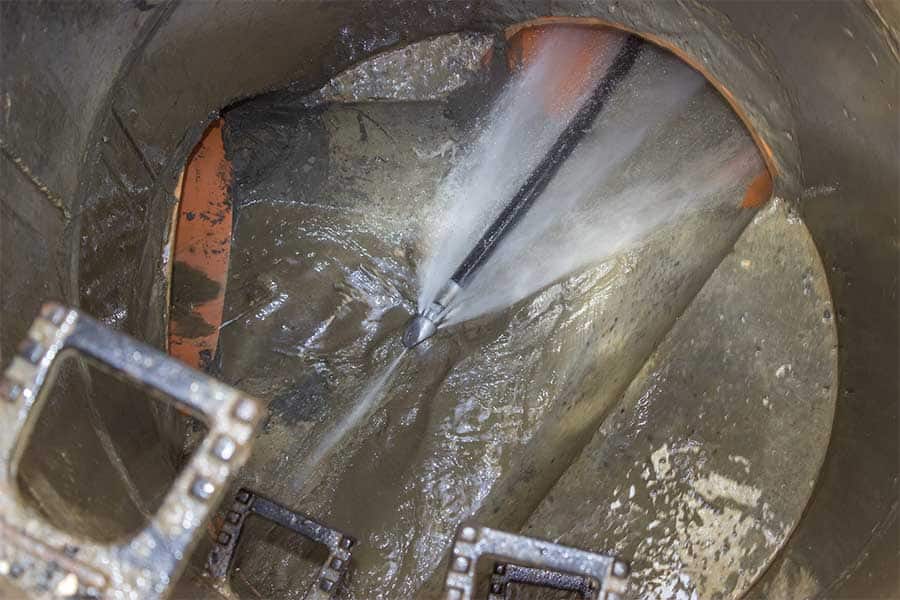
Hydro jetting uses highly pressurized water to clean the interior walls of drain and sewer pipes. A plumber inserts a specialized hose with a multi-directional nozzle into the pipe, and water is blasted through at pressures typically ranging from 1,500 to 4,000 PSI, depending on the pipe size and the nature of the blockage. The force of the water breaks up obstructions and scours the pipe walls clean, flushing debris downstream and out of the system.
Unlike a drain snake, which punches through a clog to restore flow, hydro jetting removes the buildup from the walls of the pipe rather than just clearing a path through it. The result is a pipe that’s cleaned to near-original interior diameter rather than one that simply has a hole through the middle of a partial blockage.
Why San Francisco Drains Are Prone to Buildup
San Francisco’s older housing stock means that many drain and sewer lines in the city were installed decades ago, in some cases over a century ago. Cast iron and clay pipes that have been in the ground that long accumulate significant interior buildup over time. Grease, mineral deposits, soap scum, and organic debris layer up on pipe walls gradually, and in older lines, that buildup can become substantial.
The city’s restaurant density and the grease that comes with it also affect residential lines in densely developed neighborhoods. Shared sewer connections and lateral lines in older buildings can carry residue from multiple units, compounding the accumulation problem. For homes and buildings in San Francisco, CA, dealing with this kind of history, hydro jetting plumbing services often accomplish what repeated snaking cannot.
Situations Where Hydro Jetting Is Recommended
Not every drain problem calls for hydro jetting, but there are specific situations where it’s clearly the right tool for the job.
Recurring Clogs That Keep Coming Back
If you’ve had a drain cleared multiple times and the clog returns within weeks or months, the underlying buildup hasn’t been addressed. A drain snake creates an opening, but it doesn’t clean the walls. Grease and debris continue to accumulate around the remaining buildup, and the clog reforms. Hydro jetting removes the source of the problem rather than temporarily relieving the symptom.
Grease Buildup in Kitchen Drain Lines
Kitchen drains are the most common site for grease accumulation. Even with careful habits, some grease inevitably makes it into the drain line, and over time, it cools and solidifies on the interior walls. In San Francisco, CA, homes where the kitchen drain has never been professionally cleaned, years of grease layering can significantly restrict flow. Hydro jetting cuts through grease buildup effectively in a way that chemical drain cleaners and snaking simply can’t match.
Slow Drains Throughout the House
When multiple drains in different parts of the home are running slowly at the same time, the problem is typically in the main line rather than individual branch drains. Whole-house slow drainage points to accumulation in the sewer lateral or main drain line. Hydro jetting the main line clears the restriction at its source and restores proper flow throughout the system.
Before Pipe Lining or Trenchless Repair
When trenchless pipe repair is being performed, the pipe needs to be thoroughly cleaned before the lining process begins. Hydro jetting prepares the interior of the pipe by removing all debris and buildup, ensuring that the lining adheres properly and the repair is as effective as possible.
Root Intrusion Cleanup
Tree roots that have worked their way into a sewer line need to be cut out, typically with a mechanical root cutter. But after the roots are removed, the pipe interior is often left with fragments and debris. Hydro jetting following root removal flushes out what’s left and cleans the pipe walls so the full diameter of the line is restored.
Pre-Inspection Cleaning
Before a video pipe inspection is performed on a line with significant buildup, hydro jetting may be recommended to clear the pipe enough for the camera to get a clear view. Trying to inspect a heavily fouled line often produces footage that’s too obscured to be diagnostically useful.
Commercial and Multi-Unit Properties
San Francisco has a high density of multi-unit residential buildings and commercial properties, both of which put more demand on drain systems than a single-family home. Higher usage means faster accumulation, and hydro jetting on a regular maintenance schedule is often the most practical way to keep shared drain systems functioning reliably.
When Hydro Jetting Is Not the Right Choice
Hydro jetting is powerful, and that’s precisely why it needs to be applied with judgment. It’s not always the appropriate first response to a drain problem.
Older pipes that are already structurally compromised, with cracks, significant corrosion, or sections that are partially collapsed, may not be able to handle the pressure of hydro jetting without sustaining further damage. This is why a camera inspection is typically performed before hydro jetting is recommended. A plumber needs to know the condition of the pipe before deciding whether high-pressure cleaning is appropriate.
For a simple, straightforward clog in an otherwise healthy pipe, a drain snake may be perfectly sufficient and more cost-effective. Hydro jetting is the right call when the situation calls for it, not a default response to every drain problem.
What to Expect During a Hydro Jetting Service
The process starts with a camera inspection to assess the condition of the pipe and identify the nature of the blockage or buildup. Once the plumber has confirmed that the pipe is in suitable condition for hydro jetting, the hose is inserted through a cleanout access point and fed through the line.
The actual jetting process typically takes anywhere from 30 minutes to a couple of hours, depending on the length of the line and the extent of the buildup. The plumber will work the nozzle through the pipe in both directions to ensure thorough cleaning. A follow-up camera inspection is often performed afterward to confirm that the line is clear and to identify any issues that were obscured by the buildup before cleaning.
Water usage during hydro jetting is relatively minimal compared to what you might expect given the pressure involved. The volume of water used is modest because the cleaning action comes from pressure rather than volume.
How Hydro Jetting Compares to Chemical Drain Cleaners
Chemical drain cleaners are worth addressing directly because they’re a common first response to drain problems. Store-bought drain cleaners work by chemically dissolving organic material, but they have significant limitations. They don’t remove buildup from pipe walls the way hydro jetting does. They can be corrosive to older pipe materials. And they don’t address non-organic blockages like mineral scale or sediment.
More importantly, relying on chemical cleaners repeatedly for a drain that keeps backing up is masking a problem rather than solving it. If your drain needs chemical treatment on a regular basis, that’s a sign the underlying buildup needs to be physically removed. Clogged drain repair through professional methods addresses the actual problem in a way that repeated chemical treatments never will.
Maintaining Clean Drains After Hydro Jetting
Once a line has been hydro jetted, keeping it clean is easier than it was before. The pipe walls are smooth and free of the rough buildup that debris tends to cling to. Some homeowners in San Francisco, CA, opt for periodic hydro jetting as part of a routine maintenance schedule, particularly for kitchen drain lines and main sewer laterals that are prone to accumulation.
Simple habits help extend the time between professional cleanings: avoiding pouring grease down the drain, using drain screens to catch debris, and running hot water after washing dishes all reduce the rate at which buildup returns. They won’t eliminate the need for professional cleaning entirely, but they make a difference.
Get Your Drains Properly Cleaned with Works Plumbing
If recurring clogs or slow drains are a persistent problem in your San Francisco home, hydro jetting may be exactly what the situation calls for. Works Plumbing has the equipment and experience to assess your drain system accurately and apply the right solution for your specific situation. Call us today or book online to schedule your service.