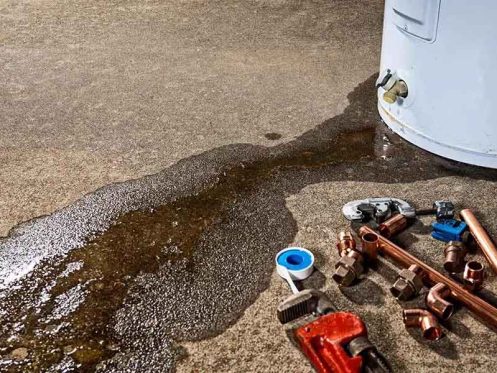
Did you know that nearly 75% of water heaters experience issues at some point during their lifespan? If you face problems like insufficient hot water or strange noises, you’re not alone. Fortunately, many common issues can be addressed with a bit of troubleshooting and maintenance. Let’s explore some effective solutions that can help restore your water heater’s performance and guarantee you have hot water when you need it.
Identifying Insufficient Hot Water Supply
Have you ever jumped into the shower only to be greeted by a blast of cold water? If so, you might be dealing with an insufficient hot water supply.
Start by checking your water heater’s thermostat; it could be set too low. Adjust it to the recommended temperature of 120°F.
Next, consider the size of your water heater. If you’ve added new appliances or have a larger family, your current unit mightn’t be adequate.
Also, inspect for sediment buildup in the tank, which can affect heating efficiency. Flushing the tank annually can help maintain hot water supply.
If you’ve got a tankless water heater, make sure it’s not being overworked; they heat water on demand and can struggle with high usage. Additionally, consider the benefits of tankless systems that provide on-demand hot water and can be a more efficient option for your home.
If you’ve tried these steps and still have issues, it might be time to call a professional to assess your system and explore upgrade options.
Troubleshooting Water Heater Leakage
Why is your water heater leaking? A leak can stem from several issues, including a faulty drain valve, a corroded tank, or loose connections.
First, check the drain valve at the bottom of your water heater. If it’s loose, tighten it, but be careful not to overtighten.
Next, inspect the tank itself for any signs of corrosion or cracks. If you spot rust, it might be time for a replacement.
Also, examine the inlet and outlet connections for any loose fittings. Tightening these may solve the leakage problem.
Don’t forget to look for condensation, which could indicate a temperature setting that’s too high. Additionally, if you’re considering an upgrade, tankless water heaters can provide potential savings on energy costs.
If you can’t identify or fix the source, consider contacting a professional plumber.
Resolving Strange Noises From Your Water Heater
- Sediment Buildup: Over time, minerals can settle at the bottom of the tank, causing popping sounds when heated.
- Thermal Expansion: If your pipes aren’t properly secured, they can expand and contract, creating rattling noises.
- Faulty Heating Element: A failing element might cause a humming or buzzing noise, indicating it needs replacement.
- Water Pressure Issues: Excess pressure can result in banging noises, suggesting it might be time to check your pressure regulator.
Identifying these sounds early can save you from costly repairs, so don’t hesitate to call a professional if needed! Additionally, contacting a local expert in sump pump installation and repair can help ensure your water systems are functioning optimally.
Addressing Water Heater Odors
Is there a strange smell coming from your water heater? If so, you’re not alone. Odors often indicate bacteria growth, especially if you notice a rotten egg scent. This can happen when the water heater temperature is set too low, allowing bacteria to thrive.
To tackle this issue, turn up the temperature to at least 140°F, which can kill the bacteria.
If the smell persists, flush your tank to remove sediment buildup, which can also contribute to odors. After draining, consider adding hydrogen peroxide—about 3% concentration—to the tank. This will help eliminate any lingering bacteria.
Don’t forget to check the anode rod, too. If it’s corroded, replacing it can help reduce smells. Additionally, if you experience ongoing issues, contacting a professional for a thorough water heater assessment is recommended for effective solutions and reliable service.
If you’re still facing issues, it might be time to call in a professional. At Works Plumbing, we can help guarantee your water heater functions properly and odor-free.
Fixing Temperature Fluctuations in Water Heater Output
When you notice temperature fluctuations in your water heater output, it can be both frustrating and inconvenient.
Fortunately, several steps can be taken to address this issue and restore consistent hot water to your home.
Here’s what to check:
- Thermostat Setting: Verify your thermostat is set to the desired temperature, typically around 120°F for peak performance.
- Sediment Buildup: Flush your tank regularly to remove sediment that can affect heating efficiency.
- Heating Elements: If you have a tankless or electric water heater, inspect the heating elements for damage or wear.
- Dip Tube: Check the dip tube for breaks, as a damaged tube can cause cold water to mix with hot water, leading to fluctuations.
If you cannot resolve the issue, consider contacting a professional plumber for assistance.

Conclusion
In water heaters, a little TLC goes a long way. By monitoring your thermostat, flushing the tank, and checking for leaks, you can guarantee your water heater runs smoothly and efficiently. When odors or strange noises pop up, don’t hesitate to take action. And remember, if things get a bit too tricky, it’s perfectly okay to call in the pros. Happy heating, and may your showers always be warm!