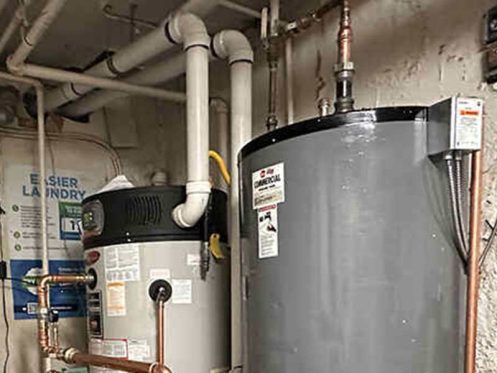
Is your water heater exhaust pipe making noise, disrupting the peace in your San Francisco home?
Understanding the causes and solutions for a noisy water heater exhaust pipe is crucial for maintaining your home’s comfort and safety. In this guide, Works Plumbing will explain the phenomenon of water heater exhaust pipes making noise, its potential causes, and what you can do about it.
As the leading water heater repair experts in San Francisco, we’ve encountered numerous cases of noisy water heater exhaust pipes. Let’s dive into the reasons behind this common problem and explore effective solutions.
What Is a Water Heater Exhaust Pipe?
A water heater exhaust pipe, or vent pipe, is a crucial component of gas-powered water heaters. It serves the vital function of safely removing combustion byproducts from your home, such as carbon monoxide and other potentially harmful gases.
Typically made of metal, this pipe extends from the top of the water heater to the exterior of your house, often through the roof. Proper installation and maintenance of the exhaust pipe are essential for the safe and efficient operation of your water heater, as it ensures that dangerous gases are expelled outside rather than accumulating within your living space.
What’s Causing the Noise?
When your water heater exhaust pipe starts making unusual sounds, it’s essential to identify the specific type of noise. Different sounds can indicate various issues with your water heater or its ventilation system. Let’s break down the most common noises and their potential causes.
Rumbling: Sediment Buildup
A rumbling noise from your water heater exhaust pipe often indicates sediment buildup at the bottom of the tank. Over time, minerals from your water supply can accumulate, creating a layer of sediment that interferes with the heating process. This can lead to overheating and inefficient operation, causing the water to bubble up through the sediment and create a rumbling sound.
Popping: Faulty Anode Rod
If you have a water heater exhaust pipe making noises that sound like something popping, it could be due to a failing anode rod. The anode rod is designed to attract corrosive elements in the water, protecting the tank from rust. It can cause popping noises when it deteriorates as trapped air bubbles escape from the sediment layer.
Sizzling: Internal Condensation
A sizzling noise might indicate internal condensation issues. This occurs when water droplets form on the burner or heating elements, causing a sizzling sound as they evaporate. While some condensation is normal, excessive amounts can lead to premature wear and tear on your water heater.
Ticking: Too High Temperature
If you hear a ticking noise, it could be due to thermal expansion. When the water temperature is set too high, it can cause the metal components of your water heater and exhaust pipe to expand and contract rapidly, resulting in a ticking sound.
Screeching: Malfunctioning Valve
A screeching or high-pitched whistling noise often points to a malfunctioning valve. This could be the pressure relief valve or the inlet valve. When these valves are partially closed or obstructed, water forced through a small opening can create a screeching sound.
Hammering: Pressure Buildup
Water hammering, characterized by a loud banging noise, occurs when there’s a sudden change in water pressure. This can happen when a valve closes quickly, causing a shockwave in the pipes.
While not directly related to the exhaust pipe, it’s a common water heater issue that can be mistaken for exhaust pipe noise.
When Is a Noisy Water Heater Dangerous?
While some water heater vent noise is merely annoying, certain sounds can indicate potentially dangerous situations. Understanding when to be concerned is crucial for your safety and the longevity of your water heater.
Exhaust pipe rattling, for instance, could signal a loose connection in your ventilation system. This is particularly concerning as it may lead to improper venting of harmful gases, including carbon monoxide. If you notice persistent rattling or any other unusual ventilation system sounds, addressing the issue promptly is essential.
Excessive noise, especially when accompanied by visible damage or leaks, can indicate serious water heater venting issues. In such cases, shut off your water heater and contact a professional immediately.
Remember, a properly functioning water heater should operate quietly. Any persistent or loud noises warrant investigation to ensure your safety and the efficiency of your heating system.
The Best Thing To Do Is Call a San Francisco Plumber
When a water heater exhaust pipe makes noises, seeking professional help is often the safest and most effective solution. A professional plumber can address your noisy water heater through a series of comprehensive steps.
Conduct a Thorough Inspection
The process begins with a detailed examination of your entire water heater system. A trained technician will check the tank for signs of wear or damage, inspect all connections for loose fittings or corrosion, and evaluate the ventilation system for proper functionality.
Using specialized tools, they’ll listen for and pinpoint the exact source of the noise, whether it’s coming from inside the tank, the burner area, or the exhaust pipe itself.
Flush the Tank To Remove Sediment
If the inspection reveals sediment buildup as the culprit, the professional will perform a thorough flush of your water heater tank. This involves draining the tank completely and using high-pressure water to dislodge and remove accumulated minerals and debris.
They may employ specialized cleaning solutions for stubborn sediment that are safe for your tank. This process eliminates noise, improves your water heater’s efficiency, and extends its lifespan.
Replace Faulty Components
Water heaters have several components that can wear out over time and cause noise. A professional plumber can identify and replace these parts as needed. They’ll measure and replace the anode rod if it’s significantly corroded.
Malfunctioning valves, such as the temperature and pressure relief or inlet valves, can be quickly swapped out. If the exhaust pipe is the source of the noise, they can repair or replace sections as needed, ensuring proper venting.
Adjust Water Pressure
A plumber has several solutions for water hammering that causes banging noises. They may install water hammer arrestors to absorb the shockwave that causes the banging sound.
Using a pressure regulator, they can fine-tune your home’s water pressure to an optimal level. Additionally, they’ll locate and secure any pipes that may be moving when water flow starts or stops.
Recalibrate Temperature Settings
Finding the optimal temperature setting for your water heater is crucial. A professional will check the current setting and adjust it to the recommended 120°F (49°C). They’ll also ensure that heaters with multiple heating elements are working in sync.
Tankless systems can adjust the flow rate as needed. This recalibration reduces the risk of overheating and associated noises while improving energy efficiency.
Address Ventilation Issues
A plumber can take several actions for problems related to the exhaust pipe or ventilation system. They’ll clean the vents to remove any blockages that might be causing back-drafting and repair or replace damaged vent pipes to ensure proper exhaust flow.
The draft diverter will be checked and adjusted to prevent exhaust gases from entering your living space. For condensing water heaters, they’ll ensure proper pipe slope to prevent water accumulation in the vents.
Provide Maintenance Tips and Schedule
After resolving the immediate issue, a professional plumber will offer valuable advice on regular maintenance to prevent future problems. They’ll demonstrate how to perform a mini-flush to reduce sediment buildup and show you how to test the pressure relief valve safely. You’ll learn about the signs of anode rod wear and when to check it.
The plumber will recommend a maintenance schedule tailored to your water quality and usage patterns and offer tips on monitoring your water heater’s performance between professional services.
By following these professional maintenance tips, you can extend the life of your water heater and minimize the chances of noisy operation in the future. A professional plumber’s expertise not only resolves current issues but also equips you with the knowledge to maintain your water heater’s optimal performance over time.
Call Works Plumbing When You Need Water Heating System Noise Troubleshooting in San Francisco
Dealing with a water heater exhaust pipe making noise can be frustrating and potentially dangerous. We know how important it is to have a working water heater in your San Francisco home. Our experienced plumbers are equipped to handle all water heater issues, from noisy exhaust pipes to complete system replacements.
We offer comprehensive water heater services, including maintenance, repair, and installation of traditional and tankless water heater systems. Our expertise ensures that we can quickly diagnose and resolve any water heater problem, restoring peace and comfort to your home.
Don’t let a noisy water heater disrupt your daily life or put your safety at risk. Contact Works Plumbing when you have a water heater exhaust pipe making noise in San Francisco. Our team is ready to provide prompt, professional service to keep your water heater running smoothly and quietly.