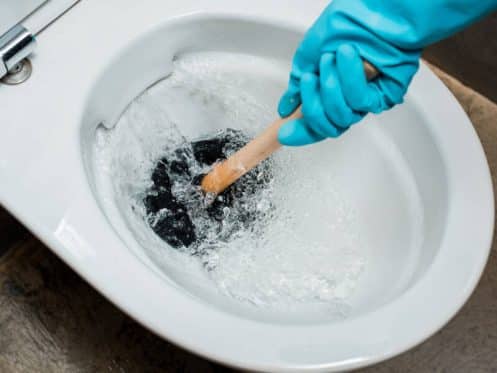
A clogged toilet is a common issue that homeowners face, but many are unaware of the potential for more severe plumbing problems, such as a pipe burst. If you’ve ever wondered, “Can a clogged toilet cause a pipe to burst?” this blog post will provide the answers you need. Works Plumbing, an experienced plumber in Burlingame, is here to explain the risks and preventative measures you can take to protect your home.
How a Clogged Toilet Can Cause a Pipe To Burst
Can a clogged toilet cause a pipe to burst? Unfortunately, it can, and it’s important to be aware of the reason. Understanding how a clogged toilet can lead to a burst pipe is crucial for preventing significant water damage in your home.
When a toilet becomes clogged, it creates a blockage that stops water from flowing through the pipes as it should. This blockage increases pressure within the plumbing system, which can lead to a burst pipe if not addressed promptly. Increased pressure can weaken pipe joints and seals, eventually causing them to fail.
Additionally, the water that cannot pass through the blockage may back up, leading to leaks in other parts of the plumbing system. This can cause secondary damage to walls, floors, and other structural elements of your home. Ignoring a clogged toilet can also result in sewage backup, which presents serious health risks and requires extensive cleanup efforts.
Several factors contribute to the risk of a pipe bursting due to a clogged toilet:
- Age of Pipes: Older pipes are more susceptible to damage and may not withstand increased pressure as well as newer pipes. They can develop weaknesses over time, making them more vulnerable to bursting under stress.
- Type of Pipes: Pipes made from materials such as galvanized steel are more prone to corrosion and damage over time, increasing the risk of a burst pipe. Materials like PVC or copper tend to be more durable but are not completely immune to the effects of clogs.
- Frequency of Clogs: Frequent clogs can weaken pipes over time, making them more likely to burst. Repeated pressure surges can stress the pipe walls and joints, leading to gradual wear and tear.
- Severity of Clogs: Severe clogs that completely block water flow can create significant pressure within the pipes. These extreme blockages can quickly lead to a burst if the pressure is not relieved.
- Maintenance Neglect: Failure to perform regular plumbing maintenance increases the risk of pipe bursts. Regular inspections can identify potential problems before they become severe.
- Improper Use: Flushing inappropriate items such as wipes, sanitary products, or excessive amounts of toilet paper can cause clogs. Proper disposal of these items can prevent blockages and maintain the integrity of the plumbing system.
Preventing these issues requires regular maintenance and careful attention to what you flush down the toilet. Regularly inspecting your plumbing system and addressing minor clogs promptly can help prevent major problems. Using a professional plumber for routine maintenance can also hep you make sure that your pipes remain in good condition. Taking these precautions can save you from the significant expense and inconvenience of dealing with burst pipes and water damage.
The Consequences of a Burst Pipe
A burst pipe is one of the most severe plumbing issues a homeowner can face. The consequences can be extensive, including significant property damage and health hazards. Immediate attention is required to mitigate the impact and prevent further damage. Understanding the potential repercussions can help homeowners take proactive measures to protect their homes and health.
- Water Damage: Burst pipes can lead to severe water damage, affecting floors, walls, and personal belongings. This damage can be extensive, often requiring professional restoration services to return your home to its original condition.
- Structural Damage: Persistent water exposure can weaken the structural integrity of your home. Over time, water can erode foundations, warp wooden structures, and rust metal components, compromising the safety and stability of the building.
- Mold Growth: Water damage can create the ideal environment for mold growth, posing health risks. Mold can spread quickly, releasing spores into the air that can cause respiratory issues, allergies, and other health problems, particularly in vulnerable individuals.
- High Repair Costs: Fixing a burst pipe and repairing water damage can be costly and time-consuming. In addition to plumbing repairs, you may need to replace damaged drywall, flooring, and personal items, which can significantly increase the overall expense.
- Increased Utility Bills: A burst pipe can lead to a substantial increase in your water bill due to the large volume of water lost. This unexpected expense can add to the financial burden of addressing the initial damage.
- Loss of Personal Belongings: Water damage from burst pipes can destroy irreplaceable personal items such as photos, documents, and heirlooms. This loss can be emotionally distressing for homeowners.
- Electrical Hazards: Water from a burst pipe can come into contact with electrical wiring and appliances, creating a serious risk of electrical shock or fire. This hazard requires immediate professional attention for your safety.
- Displacement From Home: In severe cases, extensive water damage may make your home temporarily uninhabitable. You may need to find alternative accommodations while repairs are being made, adding to the overall inconvenience and expense.
- Insurance Claims: Navigating insurance claims for water damage can be a complex and time-consuming process. It’s essential to document all damage thoroughly and work closely with your insurance provider to make sure you get adequate coverage and compensation.
To avoid these issues, it’s essential to prevent clogs and address any signs of plumbing problems promptly. Regular plumbing maintenance can help detect potential issues before they escalate into household emergencies. Taking preventive measures, such as proper disposal of waste, routine inspections, and timely repairs, can significantly reduce the risk of a burst pipe and its associated consequences.
Preventing Burst Pipes From Clogged Toilets
The answer to, “Can a clogged toilet cause a pipe to burst?” is “yes.” This means you’ll need to take steps to try and keep your home safe. Preventing a clogged toilet from causing a pipe to burst involves a few proactive steps: Proper toilet usage, maintaining cleanliness, and conducting regular inspections are all essential practices. Additionally, addressing any plumbing issues promptly and considering upgrades can enhance the resilience of your plumbing system.
Flush Properly
Only flush toilet paper and human waste. Avoid flushing wipes, feminine hygiene products, and paper towels. These items do not break down easily and can cause severe blockages.
Regular Cleaning
Clean your toilet and plumbing fixtures regularly to prevent debris buildup. This helps to keep the pipes clear and ensures smooth water flow.
Professional Inspections
Schedule regular plumbing maintenance with a professional plumber to catch potential issues early. Inspections can identify small problems before they escalate into major concerns.
Pipe Upgrades
Consider upgrading old or corroded pipes to more durable materials to reduce the risk of bursts. Modern materials like PVC or PEX are less prone to corrosion and can handle higher pressure.
Use of Drain Strainers
Install drain strainers in sinks and bathtubs to catch hair and other debris. This prevents foreign objects from entering the plumbing system and causing blockages.
Educate Household Members
Make sure that everyone in the household knows what can and cannot be flushed down the toilet. Educating children and guests about proper flushing habits can prevent accidental clogs.
Timely Repairs
Address any signs of plumbing issues, such as slow drains or gurgling noises, immediately. Early intervention can prevent small clogs from becoming major blockages.
Water Pressure Regulation
Maintain appropriate water pressure in your plumbing system. Excessive pressure can strain pipes and exacerbate the effects of clogs.
Install a Bidet
Using a bidet can reduce the amount of toilet paper used, decreasing the likelihood of clogs. Bidets provide an effective cleaning alternative that is gentle on the plumbing system.
Chemical Drain Cleaners
Use chemical drain cleaners sparingly and only when necessary. Overuse can damage pipes and lead to long-term issues. Opt for natural or mechanical methods of unclogging whenever possible.
These preventive measures can significantly reduce the risk of a burst pipe caused by a clogged toilet. By taking a proactive approach to plumbing maintenance and usage, you can protect your Burlingame home from water damage and ensure a reliable and efficient plumbing system.
Works Plumbing in Burlingame Can Help
Dealing with a clogged toilet can be more than just a vaguely frustrating issue. In severe circumstances, it can lead to potentially hazardous scenarios.
Can a clogged toilet cause a pipe to burst? Yes, it can, so request help quickly. Addressing problems early, such as corrosion in water pipes, can prevent severe damage. For expert plumbing maintenance and repairs, trust Works Plumbing; we’ll assist with drainage problems, toilet overflow, and more.
Contact us at 650-835-2009 for all your plumbing needs in Burlingame, CA. We are here to ensure your home’s plumbing system is in top condition, preventing household emergencies and keeping your home safe. Just reach out to us today to learn more about how we can help with your needs.