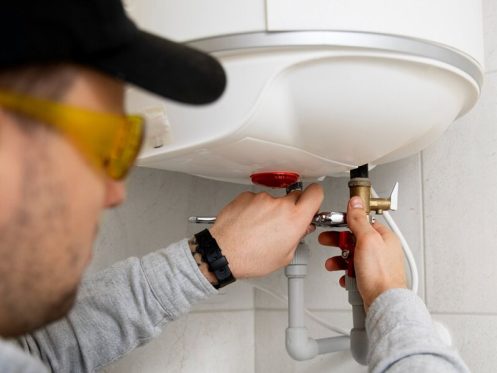
Don’t let low water pressure disrupt your day. Call us for water heater and plumbing services, and let’s get your water flowing again.
Experiencing low water pressure can be a frustrating issue in your home, especially when it disrupts your daily activities. Many homeowners wonder if the solution lies within their water heater maintenance.
In this guide, Works Plumbing will delve into the question: Will flushing the water heater help with water pressure? We’ll explore the causes of low water pressure, the role of your water heater, and how maintenance can impact your system’s efficiency. For those seeking expert assistance, call us for water heater repair in Daly City.
Can a Malfunctioning Water Heater Cause Low Water Pressure?
A malfunctioning water heater can absolutely cause low water pressure in your home. When sediment builds up at the bottom of the tank, it restricts the flow of water, making it harder for your system to deliver the pressure you need.
This sediment accumulation can also affect how efficiently your hot water tank heats the water, leading to further complications.
The Difference Between Water Pressure and Water Flow
Understanding the difference between water pressure and water flow is crucial. Water pressure is the force that pushes water through your pipes, while water flow is the volume of water coming out of your fixtures. A malfunctioning water heater can affect both, but the symptoms and solutions may differ for low water pressure and low water flow.
Why Would a Water Heater “Go Bad”?
Like your HVAC system, your water heater requires regular maintenance and immediate attention if there’s a problem.
Addressing these issues promptly can extend the life of your water heater, maintain its efficiency, and ensure a consistent supply of hot water in your home.
Sediment Buildup
Areas with hard water are particularly prone to sediment accumulation. This buildup can lead to blockages, reduced water flow, and inefficiency in heating.
Over time, the sediment can act as an insulator, preventing heat from efficiently transferring to the water, which prolongs heating time and increases energy consumption. Additionally, sediment can cause uneven heating within the tank, leading to hot spots that weaken the tank’s structure and increase the risk of leaks.
Corrosion on Water Pipes
Corrosion can occur due to the chemical composition of the water, the age of the pipes, or improper pipe material selection. Corroded pipes can leak, reducing water pressure and contaminating your water supply.
The process of corrosion can be accelerated by the presence of oxygen and certain minerals in the water, leading to the gradual deterioration of metal pipes. This not only affects water quality but can also lead to significant water loss and potential damage to the home’s structure.
Wear and Tear Over Time
Components within the water heater, such as the heating element or the thermostat, can wear out over time. Regular wear and tear can lead to inefficiencies or complete system failure if not addressed. Over time, wear and tear can compromise the safety features of the water heater, increasing the risk of overheating or pressure buildup that could lead to dangerous situations.
Periodic inspections and replacement of worn parts can extend the lifespan of the water heater and ensure it operates safely with sufficient water pressure.
Improper Maintenance
Lack of regular maintenance, such as flushing the tank to remove sediment or checking the anode rod for corrosion, can lead to premature failure of the water heater. Neglecting these maintenance tasks can allow problems to go unnoticed until they become severe, leading to costly repairs or the need for a complete water heater replacement.
When you need water heater maintenance, call a professional plumber like Works Plumbing. Improper maintenance can void the manufacturer’s warranty, leaving you to cover the full cost of repairs or replacement.
High Water Pressure
Excessively high water pressure can stress your water heater and plumbing system, leading to leaks or damage over time. This excessive pressure can also cause the safety valves on the water heater to activate more frequently, which may lead to premature wear or failure of these components.
Additionally, high water pressure can exacerbate existing weaknesses in the plumbing system, such as minor leaks or weak joints, leading to more significant plumbing issues. Installing a pressure-reducing valve can help manage water pressure levels and protect the plumbing system from the adverse effects of high pressure.
Can a Malfunctioning Water Heater Lead to Hot and Cold Water Pressure Loss?
Yes, a malfunctioning water heater can lead to both hot and cold water pressure loss. While it’s more common for issues to arise with hot water pressure, if the problem is severe enough, it can also impact the cold water supply, especially if the issues stem from shared components or piping.
Modern plumbing systems are interconnected, meaning that a significant blockage or malfunction in one part can affect the entire system’s performance. For instance, if a water heater’s check valve or pressure-regulating valve fails, it could cause a backflow problem or pressure imbalance that affects both hot and cold water lines.
Other factors contributing to poor hot and cold water pressure include:
- Shared Water Lines: Hot and cold water in many homes share main lines before diverging. A blockage or issue in these shared lines can reduce water flow to all outlets, regardless of temperature.
- Pressure Relief Valves: A malfunctioning pressure relief valve on the water heater can lead to pressure issues. If it’s stuck closed, pressure can build up in the tank and affect the entire system.
- High Demand: Simultaneous high demand on the water heater and cold water supply can exacerbate underlying issues. If you run cold-water appliances together with hot showers, you may experience noticeable pressure drops in both.
- Aging Infrastructure: Over time, corrosion and wear in the plumbing system, including the water heater, can lead to inefficiencies and pressure problems that impact both hot and cold water.
Understanding these interconnected issues is crucial for diagnosing and addressing water pressure problems effectively.
Solutions to Fix Your Low Water Pressure: Does Flushing the Water Heater Work?
Will flushing the water heater help with water pressure?
Yes, flushing your water heater can help improve water pressure. This process removes sediment buildup from the bottom of the tank, significantly enhancing the efficiency and performance of your water heating system. By attaching a hose to the drain valve, you effectively flush out the sediment, potentially restoring proper water flow and pressure.
Here’s how a professional plumber can flush your water heater:
1. Turn Off the Water Heater
For electric water heaters, switch off the power at the circuit breaker. If you have a gas water heater, turn the gas switch to the “pilot” setting.
2. Connect a Garden Hose to the Drain Valve
Locate the drain valve at the bottom of the water heater and attach a garden hose. Make sure the other end of the hose is in a location that can safely handle hot water and sediment, such as a floor drain or an outside area.
3. Open the Drain Valve
Allow the water to flow out of the tank. Be cautious, as the water will be hot.
4. Open the Pressure Relief Valve
This is an important safety step to prevent a vacuum from forming inside the tank as it drains.
5. Let the Tank Drain Completely
Wait until the water stops flowing out of the hose. This may take some time, depending on the size of your tank and the amount of sediment.
6. Flush the Tank with Cold Water
With the drain valve still open, turn on the cold water supply to the tank. This will help remove any remaining sediment. Let the water run until it comes out clear through the hose.
7. Close the Drain Valve
Once the water runs clear, shut off the drain valve and remove the hose.
8. Refill the Tank
Close the pressure relief valve and turn on the cold water supply. As the tank fills, open a hot water faucet somewhere in your house to let air escape from the system.
9. Turn the Water Heater Back On
Once the tank is full and the open faucet is running hot water without any air bubbles, you can turn the power or gas back on to the water heater.
Let Works Plumbing Restore Your Water Heater and Water Pressure
Will flushing the water heater help with water pressure? Yes, it can be a significant first step toward resolving pressure issues related to sediment buildup. At Works Plumbing, we understand the intricacies of water heaters and how they impact your home’s water system.
Your water heater should heat the water in the tank when you need it to. If it doesn’t, or you notice low water pressure, it’s time to give us a call.
From fixing low water pressure to addressing corrosion on water pipes, we do it all. Call Works Plumbing at (650) 761-9164, and let us help you achieve the optimal water pressure your home deserves.