Plumbing problems have a way of showing up at the worst possible times. A pipe bursts on a Sunday night. A drain backs up right before guests arrive. The water heater stops working in the middle of winter. Some of these situations can wait until regular business hours. Others absolutely cannot. Knowing the difference can save you from serious water damage, health hazards, and a much bigger repair bill. Here’s what San Francisco homeowners should know about when to call for emergency plumbing repair and what the process looks like once you do.
What Qualifies as a Plumbing Emergency?
Not every plumbing inconvenience is an emergency, but some situations genuinely are. The general rule is this: if the problem poses an immediate risk to your home, your health, or your ability to use essential plumbing functions, it’s worth making an emergency call.
Burst or Severely Leaking Pipes
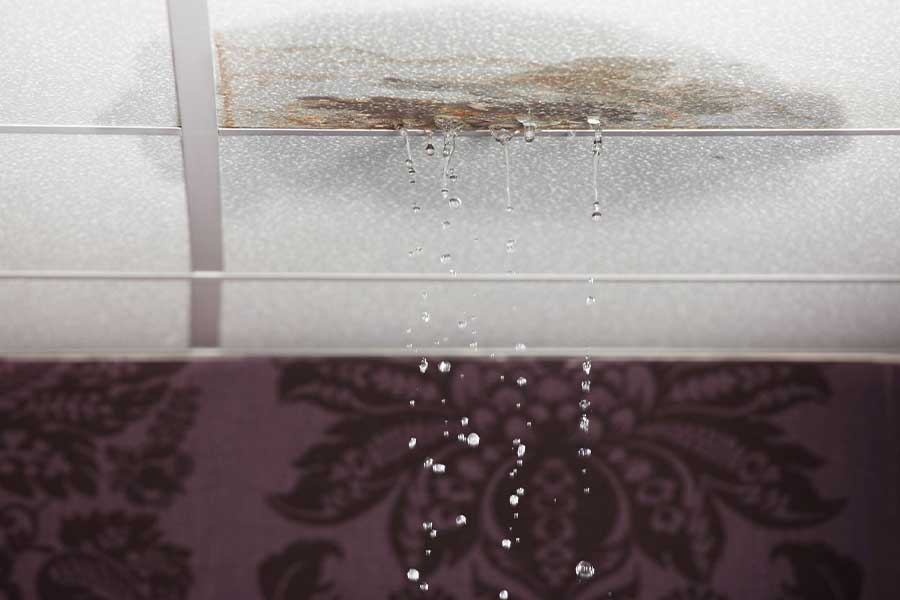
A burst pipe can release dozens of gallons of water per minute. Even a pipe that’s leaking heavily without fully bursting can soak through walls, floors, and ceilings quickly. If you can’t stop the flow by shutting off the water supply, that’s an emergency.
Sewage Backup
If sewage is backing up into your tubs, toilets, or floor drains, don’t wait. Raw sewage contains bacteria and pathogens that pose a direct health risk. This kind of backup usually points to a serious blockage or failure somewhere in the sewer line, and it won’t resolve on its own.
No Water at All
Losing water completely isn’t just an inconvenience. It can affect drinking, cooking, sanitation, and basic household functions. If your neighbors still have water and you don’t, the problem is likely on your side of the meter and needs attention right away.
Gas Line Concerns Connected to Plumbing
If you smell gas near a water heater or any gas-connected plumbing fixture, leave the house immediately and call your gas utility before calling a plumber. Once the gas company has cleared the situation, a plumber can address any related gas line repair work that may be needed.
Overflowing Toilet That Won’t Stop
If a toilet is overflowing and shutting off the supply valve isn’t stopping it, or if the valve itself is faulty, that’s a situation that needs immediate attention before water spreads to the surrounding floor and subfloor.
Significant Water Leak with No Shutoff Access
Sometimes the source of a leak is inside a wall or under a slab, and there’s no obvious way to stop the water from your end. In situations like this, time matters. The longer water runs unchecked, the more damage it causes.
What Is Not Typically an Emergency
It helps to know what can reasonably wait so you’re not paying emergency rates for something that could be handled during a regular appointment.
A slow drain, a dripping faucet, a running toilet, or low water pressure are all real plumbing problems worth fixing, but they generally don’t require an after-hours call. If the situation is inconvenient but not causing active damage or a health risk, schedule a regular appointment and address it then.
What to Do Before the Plumber Arrives
When a plumbing emergency strikes, there are a few steps you can take to limit the damage while you wait for help.
Shut off the water. If the problem involves a specific fixture, use the shutoff valve located beneath the sink or behind the toilet. If the issue is more widespread, shut off the main water supply to your home. In San Francisco, CA, the main shutoff is typically located near the water meter, often at the street or at the front of the property.
Turn off the water heater. If you’ve shut off the main water supply, turn off your water heater as well to prevent it from overheating or running dry.
Move valuables and address standing water. If water is pooling on the floor, move rugs, furniture, and anything else that could be damaged. If it’s safe to do so, use towels or a wet-dry vacuum to manage standing water while you wait.
Don’t use any plumbing fixtures. If you suspect a sewer backup or a main line issue, avoid using any drains, toilets, or faucets until the problem is diagnosed. Using them can make things worse.
Document the damage. Take photos and videos of the affected areas before any cleanup begins. This can be important for insurance purposes.
What to Expect When You Call for Emergency Plumbing Repair
When you call for emergency plumbing repair, here’s a realistic picture of how things typically go.
Initial Phone Assessment
A good emergency plumbing service will ask you to describe the situation over the phone. This helps them send the right person with the right equipment. Be as specific as you can about what’s happening, where the problem seems to be, and whether you’ve already shut off the water.
Arrival and Diagnosis
Once the plumber arrives, the first priority is stopping any active damage. That might mean confirming the water is shut off, identifying the source of the problem, and assessing the extent of the situation. Expect the plumber to ask questions and take a close look at the affected area before jumping into repairs.
Repair or Stabilization
Depending on the nature of the problem, the plumber will either make a complete repair on the spot or stabilize the situation to stop the damage until a more involved repair can be scheduled. Some issues, like a slab leak or a major pipe failure, may require follow-up work after the immediate crisis is under control.
Clear Communication on Costs
Emergency plumbing services typically come with after-hours rates, and a reputable plumber will be upfront about that before starting work. You should receive a clear explanation of what needs to be done and what it will cost before any repair begins.
San Francisco Plumbing Conditions Worth Knowing
San Francisco’s housing stock is older than that of many California cities, and that matters when it comes to plumbing emergencies. Many homes and buildings in the city still have aging cast iron, galvanized steel, or even older pipe materials that are more prone to sudden failure. The city’s hilly terrain also creates unique water pressure dynamics that can put extra stress on plumbing systems.
If your home has older pipes and you’ve already had one emergency, it may be worth scheduling a video pipe inspection once things are stabilized. That kind of proactive look can help you understand the overall condition of your system and get ahead of the next problem before it becomes a crisis.
How to Reduce the Risk of Future Plumbing Emergencies
You can’t prevent every plumbing problem, but you can reduce the chances of a surprise by staying on top of basic maintenance.
Know where your main water shutoff is before an emergency happens. That is not the time to be searching for it. Check under sinks periodically for signs of slow leaks or moisture. Pay attention to changes in water pressure, unusual sounds in your pipes, or slow drains that keep coming back. These are often early warning signs that something bigger is developing.
Having a plumber do a periodic walk-through of your plumbing system is one of the most practical things a homeowner can do, especially in an older San Francisco property.
Count on Works Plumbing When It Matters Most
When a plumbing emergency hits, you need someone who shows up, knows what they’re doing, and gets the problem under control fast. Works Plumbing is ready to help San Francisco homeowners when it counts. Call us right away or book online, and we’ll get someone out to you as quickly as possible.