Most homeowners don’t think about their plumbing until something goes wrong. That’s understandable. When everything is working, there’s no obvious reason to look closer. But plumbing systems age quietly, and the problems that end up costing the most are usually the ones that developed slowly and went unnoticed for too long. A professional plumbing inspection is one of the most practical things you can do to stay ahead of those problems. Here’s what Pacifica homeowners can expect from the process and why it’s worth scheduling one even when nothing seems wrong.
What a Plumbing Inspection Actually Is
A plumbing inspection is a thorough evaluation of your home’s plumbing system conducted by a licensed plumber. It’s not a quick glance under the sink. A proper inspection covers the visible and accessible components of your system, looks for signs of existing problems, and identifies areas that may be heading toward failure.
The goal isn’t to find reasons to sell you services. It’s to give you an accurate picture of where your plumbing stands so you can make informed decisions about maintenance and repairs. Think of it the way you’d think about a physical at the doctor. You go in feeling fine, but a professional assessment might catch something worth addressing before it becomes a bigger issue.
Why Pacifica Homes Benefit from Regular Inspections
Pacifica’s coastal environment creates conditions that are harder on plumbing than many homeowners realize. Salt air accelerates corrosion on exposed metal components. The region’s moisture levels contribute to faster deterioration of older pipe materials. Many homes in Pacifica, CA, were built in the mid-twentieth century and still have original or partially updated plumbing systems that are well into the back half of their useful life.
Add in the soil conditions along the coast, which can shift and settle in ways that stress underground pipes, and you have a combination of factors that make routine plumbing inspection more than just a good idea. It’s a practical part of maintaining a home in this environment.
What a Plumber Checks During an Inspection
A thorough inspection covers several key areas of your plumbing system. Here’s a breakdown of what a licensed plumber will typically evaluate.
Water Supply Lines
The plumber will check the condition of your supply lines, both the main line coming into the home and the branch lines that feed individual fixtures. They’ll look for signs of corrosion, mineral buildup, improper connections, and any sections of pipe that show visible wear or damage.
Water Pressure
Pressure is tested at various points in the home to identify irregularities. Pressure that’s too low can point to blockages, leaks, or a failing pressure regulator. Pressure that’s too high puts stress on your pipes and fixtures and can shorten the lifespan of appliances connected to the water supply.
Fixtures and Shutoff Valves
Every fixture in the home gets a look, including sinks, toilets, showers, and tubs. The plumber checks for leaks, proper function, and the condition of shutoff valves. A shutoff valve that’s seized or corroded is a problem you want to know about before you actually need to use it in an emergency.
Water Heater
The water heater is inspected for signs of corrosion, sediment buildup, proper venting, and overall condition. The age of the unit is noted, and the plumber can give you a realistic sense of how much useful life it has left. If your home has a tankless water heater, the inspection will include checking the unit’s components and confirming it’s operating efficiently.
Drain Lines and Sewer Connection
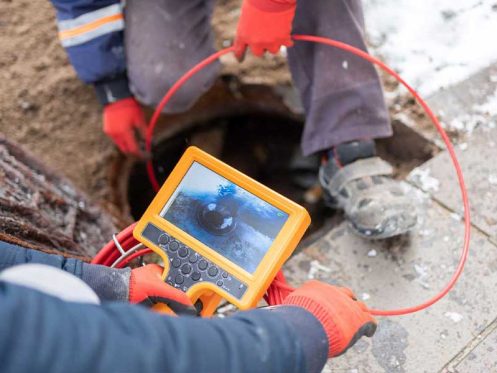
The plumber will check drain performance at each fixture and look for signs of slow drainage, gurgling, or backflow that might indicate a blockage or venting issue. For a more detailed look at the sewer line and underground drain pipes, camera inspection services can be used to visually confirm the condition of lines that can’t be assessed from the surface.
Exposed Pipe Condition
Any pipes that are visible, under sinks, in utility areas, in crawl spaces, or in the basement are examined for corrosion, leaks, improper repairs, and signs of pest damage or physical wear.
Water Heater Pressure Relief Valve
This safety device is checked to confirm it’s functioning correctly. A faulty pressure relief valve on a water heater is a safety concern that often goes unnoticed until it becomes a serious problem.
Toilets
Each toilet is checked for leaks at the base, proper flushing function, and signs of internal component wear. A toilet that runs constantly or rocks slightly at the base may seem like a minor issue, but both can lead to water waste and floor damage over time.
What the Plumber Does with the Findings
After completing the inspection, the plumber will walk you through what they found in plain language. You should receive a clear summary of any current problems, any areas that show early signs of concern, and recommendations for next steps.
A good plumber won’t pressure you into repairs you don’t need. The inspection findings are information, and what you do with that information is ultimately your decision. That said, if something genuinely needs attention, you want to know about it while the fix is still straightforward rather than after it’s become an emergency.
How Long Does a Plumbing Inspection Take?
For a typical single-family home in Pacifica, CA, a thorough plumbing inspection usually takes between one and two hours. Larger homes, older properties with more complex systems, or homes where access to certain areas is limited may take longer. If the inspection includes a camera inspection of the sewer line, add some additional time for that component.
When Is the Right Time to Schedule a Plumbing Inspection?
There are a few situations where scheduling an inspection makes particular sense.
If you’re buying a home, a plumbing inspection before closing is one of the smartest investments you can make. Standard home inspections cover a lot of ground but often don’t go deep enough on plumbing. Knowing the true condition of the system before you take ownership puts you in a much stronger position.
If your home is more than twenty years old and hasn’t had a dedicated plumbing inspection in recent memory, that alone is a good enough reason to schedule one. Older systems in coastal environments like Pacifica age faster than the average, and getting a current assessment is simply responsible homeownership.
If you’ve been experiencing recurring issues, slow drains that keep coming back, fluctuating water pressure, or unexplained increases in your water bill, an inspection can help connect the dots and identify the underlying cause.
The Cost of Skipping an Inspection
The math on this is fairly simple. A plumbing inspection costs a fraction of what most plumbing repairs run and a fraction of what water damage remediation costs. Catching a corroded pipe section, a slow slab leak, or a failing water heater early means addressing it on your schedule at a manageable cost. Finding out about it after a failure means dealing with it on the problem’s schedule, which is almost never convenient and almost always more expensive.

Schedule a Plumbing Inspection with Works Plumbing
Works Plumbing helps Pacifica homeowners get a clear, honest picture of where their plumbing stands. Whether you’re buying a home, dealing with recurring issues, or just overdue for a checkup, our licensed plumbers will give you straight answers and practical recommendations. Call us today or book online to get your inspection scheduled.