Are you unsure about the ideal temperature for your water heater? You’re not alone. Many homeowners struggle with finding the right balance between comfort, safety, and energy efficiency when it comes to water heater temperature.
In this guide, Works Plumbing will explain the optimal water heater settings and help you make an informed decision for your home. As San Francisco’s highly rated water heater repair experts, we’re here to provide valuable insights into this crucial aspect of your home’s plumbing system.
Setting your water heater to the right temperature can significantly impact your daily comfort, monthly energy bills, and the safety of your family. Whether you have a traditional tank water heater or a modern tankless system, understanding the factors that influence the ideal temperature setting is essential. We’ll walk you through the pros and cons of different temperature ranges and provide practical tips for adjusting your water heater to meet your needs.
The Recommended Temperature Settings for Water Heaters
Finding the sweet spot when it comes to water heater temperature is essential. According to the U.S. Department of Energy, you should set your water heater to 120 degrees Fahrenheit (49 degrees Celsius). This temperature strikes a balance between safety, energy efficiency, and comfort.
Setting your water heater to 120°F offers several benefits:
- It can kill harmful bacteria
- It reduces the risk of scalding
- It helps prevent mineral buildup in your pipes
- It promotes energy-efficient water heating
While 120°F is the general recommendation, some situations may require different settings. For example, if you have a dishwasher without a built-in water heater, you might need to set your water heater to 140°F to ensure proper sanitation.
The Relationship Between Water Heater Temperature and Your Energy Bill
Your water heater’s temperature setting significantly affects your energy consumption and, consequently, your utility bills. According to the U.S. Department of Energy, water heating can account for 14-18% of your home’s energy use. This makes it the second-largest energy expense in most households, behind air heating and cooling.
Lowering your water heater temperature can lead to substantial energy savings. For every 10°F reduction in temperature, you can save 3-5% on your water heating costs. This might seem small, but it adds up quickly over time.
For instance, reducing the temperature from 140°F to 120°F can result in annual savings of $36-$61 for a typical household. These savings could be even more significant in larger San Francisco homes or areas with high energy costs.
The Right Hot Water Heater Thermostat Settings Can Boost Energy Savings
The energy savings you can enjoy by following the above advice come from two main sources. First, your water heater doesn’t have to work as hard to heat the water to a lower temperature, which reduces its energy consumption. Second, lower temperatures mean less standby heat loss from your water heater tank. Standby heat loss occurs when heat escapes from the water heater into the surrounding area, even when you’re not using hot water. This is especially important for traditional tank-style water heaters, which keep a large volume of water hot at all times.
However, balancing energy savings with your household’s hot water needs is crucial. Setting the temperature too low may lead to an inadequate hot water supply, especially during peak usage times like mornings when multiple people might be showering. It could also increase the risk of bacterial growth in your water heater. Legionella bacteria, which can cause Legionnaires’ disease, can survive in temperatures below 120°F.
Establishing a Safe Water Temperature Range
To find the right balance, consider your household’s specific needs. If you have a dishwasher without a built-in heater, you might need to keep your water heater at 140°F for proper sanitation. On the other hand, if you have young children or elderly individuals in your home, you might want to keep the temperature at or below 120°F to prevent scalding.
You can also consider other energy-saving measures to complement your water heater temperature adjustment. Installing low-flow showerheads and faucet aerators can reduce hot water usage without sacrificing comfort. Insulating your water heater and hot water pipes can minimize standby heat loss, allowing you to potentially lower the temperature even further without affecting your hot water supply.
What To Consider When Setting Your Water Heater Temperature in San Francisco
Several factors come into play when determining your home’s ideal water heater heat settings. Let’s explore some key considerations:
Are There Any At-Risk People in Your Home?
If you have young children, elderly individuals, or people with compromised immune systems in your household, you need to be extra cautious about water temperature. These groups are more susceptible to scalding and waterborne illnesses.
For homes with at-risk individuals, consider setting your water heater to 120°F or slightly lower. For added protection, install anti-scald devices on faucets and showerheads. Regularly testing the water temperature at the tap will help ensure ongoing safety for these vulnerable household members.
How Many People Live in Your House?
The number of occupants in your home has a huge impact on daily hot water demands. A larger household typically requires more hot water and may benefit from a higher temperature setting. To meet increased demand, consider setting the temperature between 120°F and 130°F. Installing a larger-capacity water heater or a tankless water heater can also help ensure an adequate hot water supply.
Try staggering high-demand activities like showers and laundry throughout the day to conserve hot water.
Do You Have Energy-Efficient Appliances?
Modern, energy-efficient appliances can impact your water heater temperature needs. Many newer dishwashers and washing machines have built-in water heaters, allowing you to set your main water heater to a lower temperature. If you have energy-efficient appliances, you can set your water heater to 120°F or lower without sacrificing performance.
It’s a good idea to check your appliance manuals for recommended incoming water temperatures to ensure optimal operation. If you have older appliances, consider upgrading to newer models to take advantage of these energy-saving features and potentially lower your water heater temperature even further.
Steps for Water Temperature Adjustment: Gas, Electric, and Tankless Systems
Adjusting your water heater temperature is relatively simple, but it varies slightly depending on the type of water heater you have. Always consult your water heater’s manual for specific instructions.
Gas Water Heaters
To adjust the temperature of a gas water heater, locate the temperature dial on the gas valve and use a flathead screwdriver to turn the dial to your desired setting.
After making the adjustment, wait a few hours to allow the water temperature to stabilize. Then, test the water temperature at a faucet to ensure it’s at your desired level. If necessary, make further adjustments and repeat the process until you achieve the ideal temperature.
Electric Water Heaters
For electric water heaters, the process involves a few more steps. To ensure safety, turn off the power to the water heater at your circuit breaker. Next, remove the access panel or panels to expose the thermostat or thermostats.
Using a flathead screwdriver, adjust the temperature to your desired setting. After making the adjustment, replace the access panel or panels and restore power to the water heater. As with gas water heaters, wait a few hours for the water temperature to stabilize, then test it at a faucet. Make additional adjustments if needed to achieve your desired temperature.
Tankless Water Heaters
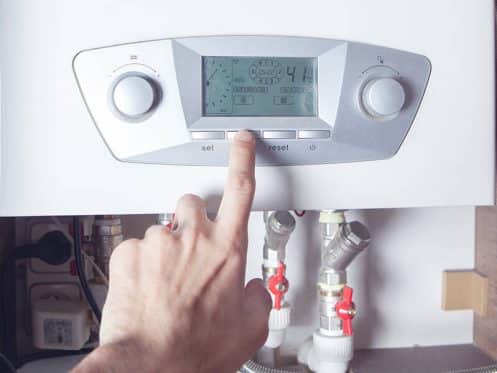
Tankless water heaters offer greater control over water temperature, making adjustments even simpler. To adjust a tankless water heater, first locate the temperature controller, which is usually found on the unit’s front panel. Use this controller’s up and down buttons to set your desired temperature.
Some models may require you to press a confirmation button to save your new setting. After making the adjustment, test the water temperature at a faucet after a few minutes to ensure it meets your needs.
One of the advantages of tankless water heaters is their ability to provide endless hot water. This feature lets you often set them to lower temperatures without sacrificing comfort, as you won’t run out of hot water during extended use. This can lead to additional energy savings while meeting your household’s hot water demands.
Works Plumbing Can Help You Set the Right Water Heater Temperature in San Francisco
Setting the right water heater temperature is crucial for your comfort, safety, and energy efficiency. By understanding the factors that influence optimal water heater settings, you can make an informed decision for your home.
If you’re still unsure about the best temperature for your water heater or need assistance with adjustments, Works Plumbing is here to help. Our team of experts can provide professional guidance on water heater temperature and perform any necessary tankless water heater installations or repairs.
Don’t hesitate to reach out to us for all your water heater temperature needs in the San Francisco area. Works Plumbing is committed to ensuring your home’s plumbing system operates at peak efficiency and safety.