Your sewer line is one of the hardest-working parts of your home’s plumbing system and also one of the most overlooked. It runs underground, out of sight, carrying wastewater away from every drain and toilet in your house. Most homeowners never think about it until something goes wrong. The problem is that by the time a sewer line failure becomes obvious, the damage is often already significant. Knowing the early warning signs can make a real difference in how much a sewer line problem ends up costing you. Here’s what Pacifica homeowners should watch for.
Why Sewer Lines in Pacifica, CA, Are Especially Vulnerable
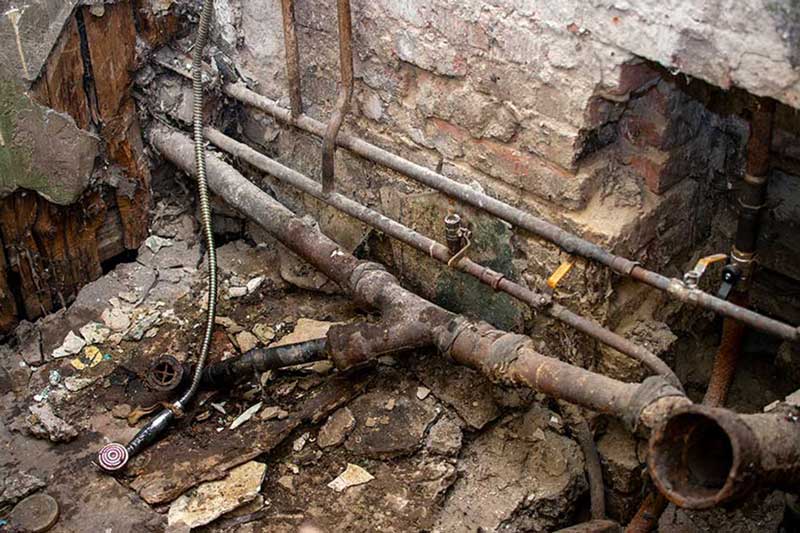
Before getting into the signs, it helps to understand why sewer line problems are particularly common in this area. Pacifica has a mix of housing built across several decades, and older homes in the area frequently have sewer lines made from clay tile or cast iron, both of which have a finite lifespan and are prone to specific types of failure.
The coastal soil conditions in Pacifica, CA, also play a role. Soil that retains moisture and shifts seasonally puts stress on underground pipes. Tree and shrub roots are drawn to the moisture around sewer lines and can work their way into pipe joints over time. Combined with the age of many local sewer systems, these conditions make Pacifica homes more susceptible to sewer line issues than homes in newer, inland communities.
Multiple Drains Backing Up at the Same Time
This is one of the clearest indicators that the problem is in the main sewer line rather than an individual drain. When a single drain is slow or clogged, the issue is typically localized. But when two or more drains in different parts of the house back up at the same time, or when using one fixture causes another to back up, that points to a blockage or failure in the main line that all of those drains share.
Pay particular attention to low-lying fixtures like floor drains, bathtubs, and first-floor toilets. These are the first to show signs when the main sewer line is compromised because they’re closest to the main line and have the least amount of elevation advantage.
Gurgling Sounds from Drains or Toilets
Gurgling is the sound of air moving through your drain system in a way it shouldn’t be. When a sewer line is partially blocked, air gets trapped and displaced as water tries to move through. That displaced air finds its way back up through nearby drains, producing a gurgling sound at sinks, tubs, or toilets that aren’t even being used at the time.
If you flush the toilet and hear gurgling from the tub drain, or run the washing machine and hear gurgling from a floor drain, those are signs worth taking seriously. A one-time occurrence might be nothing, but consistent gurgling across multiple fixtures is a reliable indicator that something is obstructing flow in the main line.
Sewage Odors Inside or Around Your Home
A properly functioning sewer system is designed to contain odors. Drain traps and venting systems work together to keep sewer gases from entering the living space. If you’re noticing a persistent sewage smell inside your home, particularly near drains or in lower-level spaces like basements or crawl spaces, it means those containment measures have been compromised.
Odors outside the home are equally telling. If you notice a sewage smell in your yard, especially in the area above where your sewer line runs, it may indicate that the line is cracked or has a break that’s allowing gases and wastewater to escape into the surrounding soil. This is a situation that warrants prompt attention, both for the health implications of sewer gas exposure and for the potential damage to your property.
Slow Drains Throughout the House
A single slow drain usually means a localized clog. Multiple slow drains throughout the home, affecting different fixtures in different rooms, suggest that the main sewer line is the source of the problem. As a blockage or line damage develops, flow through the entire system becomes progressively restricted.
The gradual nature of this symptom is what makes it easy to dismiss. Homeowners often adapt to slower drains over time without realizing how significant the change has become. If you find yourself regularly using a plunger or drain cleaner just to maintain basic function, that’s not normal maintenance. That’s a symptom of something more serious developing in the line. Sewer line repair addresses the root cause rather than just managing the ongoing effects.
Unusually Lush or Soggy Patches in Your Yard
This one surprises a lot of homeowners, but it’s a reliable sign of a sewer line leak. When a sewer line cracks or develops a break underground, the escaping wastewater acts as a fertilizer for the soil and vegetation above it. If you notice a section of your lawn that’s greener, lusher, or growing faster than the surrounding area without any change in your watering habits, that patch may be sitting above a leaking sewer line.
Similarly, if an area of your yard feels soft or spongy underfoot, or if you notice pooling water in a spot that doesn’t dry out the way the rest of the yard does, that moisture may be coming from a sewer line leak rather than surface water. Both of these signs are worth investigating before the underlying damage gets worse.
Foundation Cracks or Settling
This is a more serious symptom that indicates a sewer line problem has been going on for some time. When a sewer line leaks consistently beneath or near the foundation of a home, the escaping water erodes the soil that supports the structure. Over time, this can cause the foundation to shift, crack, or settle unevenly.
If you’ve noticed new cracks in your foundation, interior walls, or flooring, particularly in combination with any of the other symptoms listed here, a compromised sewer line may be a contributing factor. A camera inspection service can confirm whether the sewer line is involved and help determine the extent and location of any damage.
Rodent or Insect Activity
Rats and certain insects are attracted to sewer systems and can enter homes through cracks or breaks in sewer lines. If you’ve noticed an increase in rodent activity or are dealing with an unusual pest presence that doesn’t seem tied to an obvious food source, a damaged sewer line may be providing an entry point. This is an indirect sign, but one worth including in any investigation of potential sewer line problems.
What Happens If You Ignore the Signs
Sewer line problems don’t stabilize on their own. A small crack becomes a larger one. A partial blockage becomes a complete one. What starts as slow drains and occasional odors can progress to sewage backing up into the home, which is not only a significant health hazard but also an expensive and disruptive cleanup situation.
The cost difference between catching a sewer line problem early and dealing with it after a full failure is substantial. Early intervention, whether through targeted repair or a trenchless drain repair that minimizes disruption to your yard and landscaping, is almost always the more practical and affordable path.
How Sewer Line Problems Are Diagnosed
When a plumber suspects a sewer line issue, the first step is typically a video inspection of the line. A camera is fed through a cleanout access point and transmits live footage of the interior of the pipe. This allows the plumber to see exactly what’s going on, whether it’s a blockage, root intrusion, a crack, a collapsed section, or pipe deterioration, and pinpoint the exact location.
This diagnostic step is important because it determines what kind of repair is appropriate. Not every sewer line problem requires excavation. Depending on the location and nature of the damage, trenchless repair methods may be a viable option that preserves your landscaping and reduces overall disruption.
Take Sewer Line Warning Signs Seriously with Works Plumbing
If your Pacifica home is showing any of the signs described here, don’t wait to get it checked out. Works Plumbing has the experience and equipment to diagnose sewer line problems accurately and recommend the most effective repair approach for your situation. Call us today or book online to schedule your inspection.