If you’ve been thinking about replacing your water heater, chances are tankless models have come up in your research. They’ve become increasingly popular over the past decade, and for good reason. But popular doesn’t automatically mean right for every home or every situation. Making a good decision here means understanding what tankless water heaters actually do well, where they have limitations, and whether your specific home and household needs are a good fit. Here’s a straightforward look at what San Francisco homeowners should consider before making the switch.
How a Tankless Water Heater Works
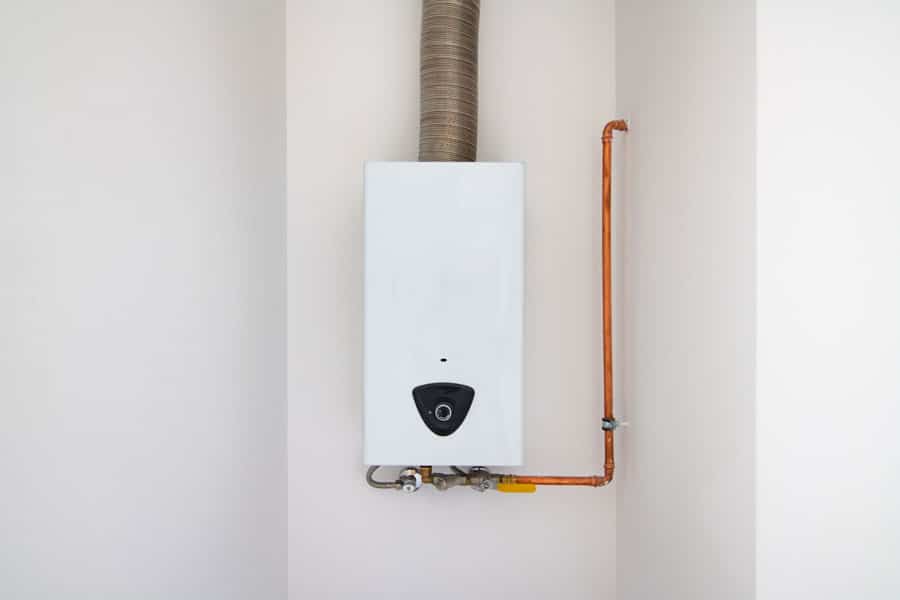
A traditional water heater stores a large volume of water, typically between 40 and 80 gallons, and keeps it hot around the clock so it’s ready when you need it. A tankless water heater works differently. Instead of storing hot water, it heats water on demand as it flows through the unit. When you turn on a hot water tap, cold water travels through the unit, gets heated by a gas burner or electric element, and reaches your fixture within seconds.
The practical result is that you’re not paying to keep a tank of water hot all day and night. You’re only using energy when you actually need hot water. That’s the core efficiency argument for going tankless, and it’s a legitimate one.
The Case for Going Tankless in San Francisco, CA
San Francisco presents some specific conditions that make tankless water heaters worth considering seriously.
Space Constraints
San Francisco homes, particularly Victorian flats, row houses, and apartments, are often short on storage and utility space. A traditional tank water heater takes up a significant footprint. Tankless units are wall-mounted and roughly the size of a large suitcase, which can free up meaningful space in a closet, utility room, or garage. In a city where square footage is at a premium, that difference matters.
Energy Efficiency
Tankless water heaters are generally 24 to 34 percent more energy efficient than conventional storage tank models for homes that use a moderate amount of hot water. In a city with some of the highest energy costs in the country, that efficiency translates into real savings over time. The upfront cost of a tankless unit is higher than that of a traditional water heater, but the long-term operating savings can offset that difference.
Longer Lifespan
A traditional tank water heater typically lasts 10 to 12 years with proper maintenance. Tankless units, when properly maintained, often last 20 years or more. For homeowners planning to stay in their San Francisco home long-term, that extended lifespan factors into the overall value calculation.
Endless Hot Water
Because tankless units heat water on demand rather than drawing from a stored supply, you don’t run out of hot water the way you can with a tank. For households with multiple people, busy morning routines, or frequent back-to-back showers, this is a meaningful practical advantage.
What to Consider Before Making the Switch
Tankless water heaters aren’t the right fit for every home or situation. Here are the factors worth thinking through carefully before committing.
Upfront Cost
The purchase and installation cost of a tankless water heater is significantly higher than that of a traditional unit. Depending on the type of unit and the complexity of the installation, the difference can be substantial. Gas tankless units often require upgrades to the gas line to handle the higher demand, and electric units may require upgraded electrical capacity. These are real costs that need to be factored into the decision.
Flow Rate Limitations
Tankless water heaters heat water on demand, but they have a maximum flow rate. If your household is running multiple hot water demands simultaneously, such as a shower, a dishwasher, and a washing machine all at the same time, a single tankless unit may struggle to keep up. This is a solvable problem in most cases, either by sizing the unit correctly for your household’s peak demand or by installing multiple units, but it’s something to discuss with a plumber before installation.
Gas Line Requirements
Most high-performance tankless water heaters run on natural gas, and they require a larger gas supply than a standard tank heater. Older San Francisco homes may need gas line repair or replacement work to accommodate the increased demand before a gas tankless unit can be installed properly and safely.
Installation Complexity
Switching from a tank to a tankless system isn’t always a straightforward swap. Venting requirements are different, gas or electrical connections may need to be upgraded, and the location of the unit needs to be planned carefully. This is work that needs to be done by a licensed plumber with experience in tankless water heater installation, not a general handyman.
Water Quality Considerations
San Francisco’s water supply, like most municipal water, contains minerals that can accumulate inside a tankless unit over time. Scale buildup affects efficiency and can shorten the lifespan of the heat exchanger if not addressed. Annual descaling and maintenance are an important part of keeping a tankless unit performing the way it should. Homeowners with particularly hard water may want to consider a whole-house filtration or softening solution alongside the water heater upgrade.
Gas vs. Electric Tankless: Which Makes More Sense?
For most San Francisco homes with existing gas service, a gas tankless water heater is generally the higher-performing choice. Gas units have higher flow rates and heat water more quickly than electric models, making them better suited to households with higher simultaneous demand.
Electric tankless units are a viable option in homes without gas service or in situations where only a specific point of use needs to be served, such as a remote bathroom or a kitchen sink far from the main water heater. They’re simpler to install and don’t require venting, but they typically can’t match the output of a gas unit for whole-house applications.
When a Traditional Water Heater Still Makes Sense
Tankless isn’t always the answer. If your current tank water heater is relatively new and functioning well, replacing it before the end of its useful life doesn’t make financial sense, regardless of the efficiency gains. If your home’s gas or electrical infrastructure would require significant upgrades to support a tankless unit, the cost calculation changes considerably.
For some households, particularly those with lower hot water usage or tight upfront budgets, a high-efficiency hot water heater repair or a well-chosen tank replacement may be the more practical near-term decision. A licensed plumber can help you run the numbers honestly based on your specific situation.
What the Installation Process Looks Like
If you decide a tankless water heater is the right move, here’s a general sense of what the installation involves. The old unit is disconnected and removed. The new unit is mounted and connected to the gas or electrical supply and to the water lines. Venting is installed or modified as needed. The system is tested to confirm proper operation and flow rate.
Depending on whether any gas line, electrical, or venting upgrades are needed, the timeline and cost will vary. A reputable plumber will walk you through what’s involved before any work begins, so there are no surprises.
Talk It Through with Works Plumbing
Deciding between tankless and traditional isn’t always straightforward, and the right answer depends on your home, your household, and your priorities. Works Plumbing helps San Francisco homeowners think through the options honestly and make the choice that actually fits their situation. Call us today or book online to schedule a consultation and get the information you need to decide with confidence.