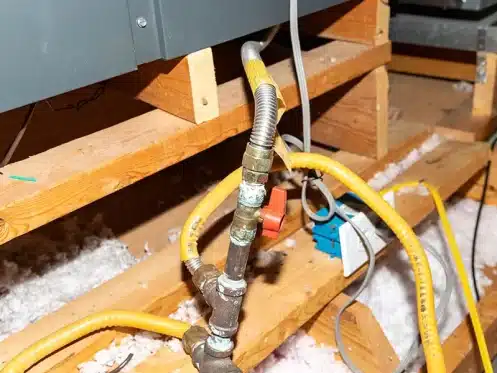
That faint smell of rotten eggs in your home could be signaling a potentially dangerous situation. Understanding gas line leak detection methods is crucial for every homeowner’s safety and peace of mind.
Gas leaks pose serious health risks and can lead to devastating explosions if left undetected. In this guide, Works Plumbing will explain how to test a gas line for leaks so you know when to schedule gas line repair services in San Mateo, CA.
1. Detecting Based on Smell
Gas leak detection requires vigilance and awareness of the warning signs. Utility companies intentionally add a sulfur-like “rotten egg” odor to naturally odorless gas that makes leaks easily detectable.
If you suspect a leak, take immediate safety precautions by avoiding anything that might create sparks, including light switches, electrical appliances, phones, or doorbells. Exit your home immediately and call emergency services or your gas company from a safe distance. Do not attempt to locate or repair leaks yourself.
2. Know the Physical Signs of a Gas Leak
Your senses are powerful tools when it comes to detecting potential gas leakage. The most recognizable sign is the natural gas odor that resembles rotten eggs or sulfur.
You might also hear hissing sounds near gas appliances or pipelines. Visual clues include dead or discolored vegetation around your yard, especially near gas lines, or bubbles in standing water.
Physical symptoms like dizziness, nausea, fatigue, headaches, or breathing difficulties could indicate gas exposure. If you experience these symptoms and they improve when you leave home, you might have a leak.
3. The Soapy Water Test Method
The soapy water test remains one of the most reliable and accessible methods for homeowners wondering how to test a gas line for leaks. This simple yet effective technique can help you identify exactly where gas is escaping.
To perform this test, mix dish soap with water in a spray bottle. Apply the solution to pipe connections and fittings, then watch carefully for bubbles. Bubbling indicates gas escaping from that spot.
Focus on pipe joints, connections to appliances, and valves when conducting this test. This method works because escaping gas creates pressure that forms bubbles in the soapy solution.
4. Using Electronic Gas Detectors
Are you wondering how to continuously test a gas line for leaks? Modern electronic gas detectors offer an additional layer of security for your home and family.
These devices come in various forms, from handheld units to permanently installed detectors. Most units emit an audible alarm when gas concentrations reach dangerous levels. More advanced models can detect multiple gases and may even connect to your smart home ecosystem for remote monitoring.
Installing these devices near gas appliances is the best strategy.
5. Schedule a Professional Inspection in San Mateo
While DIY detection methods are helpful, professional gas line inspections provide comprehensive assessments using specialized equipment like ultrasonic detectors and infrared cameras that can “see” escaping gas. Experts recommend scheduling professional inspections annually and after home renovations or natural disasters.
Prevention through regular maintenance remains the best approach to natural gas safety. Have gas appliances serviced annually by qualified professionals, replace flexible gas lines according to manufacturer recommendations, and monitor your gas bills for unexplained increases, which might indicate a slow leak.
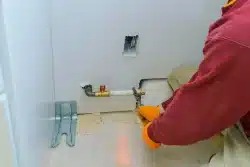
Your Gas Safety Partners at Works Plumbing in San Mateo
Understanding how to test a gas line for leaks is an essential skill for homeowners concerned about their family’s safety. At Works Plumbing, our certified technicians use advanced equipment to find and fix gas leaks quickly. Learn more about the development of modern gas systems and indoor plumbing to appreciate the importance of proper maintenance.
If you don’t know how to test a gas line for leaks in your home, contact Works Plumbing immediately for professional assistance and peace of mind.
Frequently Asked Questions
Here are answers to common questions about gas leak detection and safety protocols.
What Does a Gas Leak Smell Like?
Natural gas has a distinctive rotten egg or sulfur smell added by utility companies to make leaks easily detectable, as natural gas itself is odorless.
How Do I Test My Gas Lines for Leaks?
Here’s how to test a gas line for leaks:
- Perform a visual inspection.
- Check for sulfur odors.
- Conduct a soapy water test, especially on visible connections.
- Use an electronic detector.
- Schedule a professional gas line inspection.
What Should I Do Immediately If I Detect a Gas Leak?
If you detect a gas leak, evacuate everyone from the building immediately without using electrical switches or creating sparks, then call emergency services or your gas company from a safe distance.