Did you know that up to 20% of water heater issues stem from sediment buildup? You might not realize it, but this accumulation can seriously affect your water pressure. Flushing your water heater could be the hidden solution to improving the flow in your home. As sediment settles at the bottom, it displaces water, leading to the frustrating trickle you experience during peak usage. So, how does flushing help, and what other benefits might you gain from this simple maintenance task? Let’s explore whether this could be the fix you’ve been searching for.
Understanding Water Pressure Issues
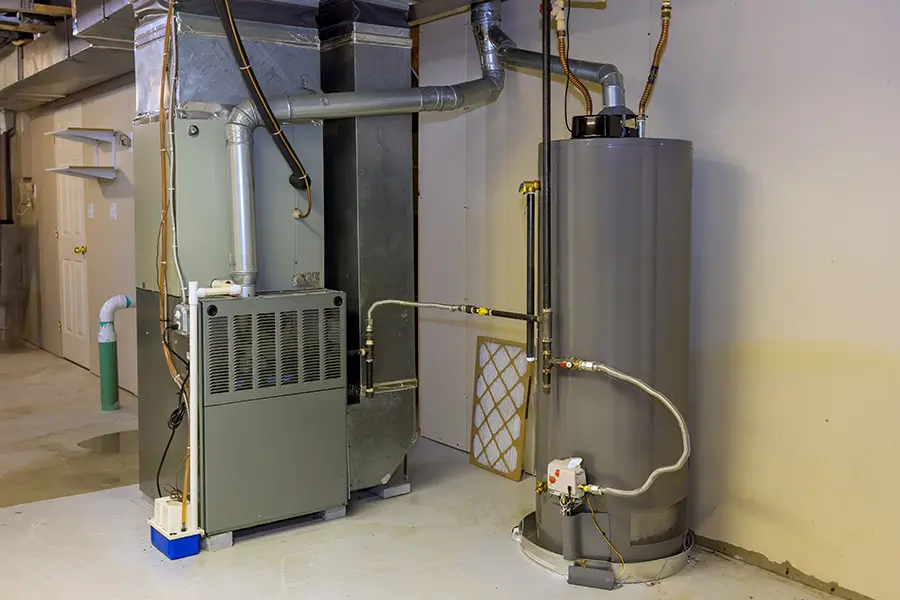
High water pressure can lead to leaks and damage in your water heater system. When the pressure exceeds ideal levels, it stresses the tank and pipes, increasing the risk of bursts or leaks. To serve those who rely on you for plumbing support, it’s vital to understand how to manage this issue. First, check the pressure relief valve designed to release excess pressure and prevent damage. If it’s malfunctioning, replace it promptly to maintain a safe environment.
Next, install a pressure-reducing valve if your home’s water pressure consistently exceeds 80 psi (pounds per square inch). This valve can help regulate and maintain safe pressure levels, prolonging the life of your water heater and plumbing fixtures. Regularly monitoring pressure levels using a gauge is important; it’s a simple task that can prevent larger problems.
To further protect your system, confirm your thermal expansion tank is functioning correctly. This component absorbs excess pressure when water heats and expands, preventing undue stress on your heater. By taking these steps, you’re not just preserving your own system but guaranteeing reliable service for those who depend on your expertise.
How Water Heaters Affect Pressure
When your water heater heats water, the resulting thermal expansion can increase the pressure within the system. This happens because water expands when heated, and if no expansion tank malfunctions, the pressure in the plumbing system may rise. This pressure can affect the overall water pressure in your home, sometimes causing fluctuations that you and those you serve might notice.
A water heater’s pressure relief valve is important in maintaining safe pressure levels. It’s designed to release excess pressure, preventing damage to the system. If this valve is faulty or blocked, it can increase pressure, affecting the water flow you rely on to serve others efficiently.
Moreover, the size and capacity of your water heater can impact pressure. If the heater is undersized for your household’s needs, it may struggle to maintain consistent pressure, especially during peak usage. Conversely, an oversized heater might cause pressure imbalances.
Regular maintenance, including checking the pressure relief valve and verifying proper expansion tank function, is essential. By understanding how your water heater affects pressure, you can better guarantee reliable service and comfort for those you serve.
Causes of Sediment Buildup
Over time, minerals like calcium and magnesium in your water supply can accumulate at the bottom of your water heater, leading to sediment buildup. This buildup is more common if you have hard water containing higher concentrations of these minerals. When water is heated, the minerals precipitate out and settle, creating a layer of sediment. This layer can cause your water heater to work harder, use more energy, and reduce lifespan.
The sediment is an insulator between the heating element and the water, making heating less efficient. It can also cause rumbling or popping noises as water trapped beneath the sediment boils and bubbles up. Additionally, the sediment can clog the drain valve, complicating maintenance.
If you don’t address this buildup, it can reduce water flow and pressure, especially in systems reliant on consistent water pressure to serve others effectively. Regularly flushing your water heater can minimize sediment buildup, ensuring your system remains efficient and effective. By understanding these causes, you’re better equipped to maintain your water heater, ultimately supporting your commitment to serving others with reliable and efficient water systems.
Signs Your Heater Needs Flushing
Experiencing decreased water heater efficiency and unusual noises often indicates it’s time to flush your system. Over time, sediment and mineral deposits can build up in your water heater, compromising its performance and potentially affecting water pressure. Recognizing the signs early guarantees you maintain an efficient and reliable system for those you serve. Here are key indicators your heater needs flushing:
- Reduced Hot Water Supply: If you notice a shortage in hot water, sediment buildup might be displacing water, reducing available volume.
- Strange Noises: Sounds like popping or rumbling often mean sediment is hardening and moving inside the tank, signaling a need for cleaning.
- Cloudy or Rusty Water: Discolored water from your taps suggests corrosion or sediment presence, both of which necessitate flushing.
- Increased Energy Bills: Sediment insulation can cause your heater to work harder to maintain desired temperatures, resulting in a sudden spike in energy consumption.
Addressing these signs promptly improves water pressure and extends the life of your heater. Maintaining your system guarantees it serves others efficiently, keeping water delivery smooth and consistent. Regular maintenance is key to achieving this goal.
Benefits of Flushing Your Heater
Flushing your water heater effectively removes sediment buildup, enhancing efficiency and extending the appliance’s lifespan. Sediment can act as an insulator, causing your heater to work harder to heat water, which increases energy consumption and costs. Regularly flushing your heater guarantees it operates at peak efficiency, saving on energy bills and reducing environmental impact.
Moreover, sediment buildup can lead to corrosion and damage to the tank, heightening the risk of leaks or even complete failure. Removing these deposits greatly reduces the potential for costly repairs or replacements, assuring the system serves you reliably for years. This maintenance step not only safeguards your appliance but also protects the water quality by preventing particles from entering your water supply, thereby promoting the well-being of those who rely on it.
Additionally, maintaining proper water pressure is essential for a satisfying water experience. Flushing the heater helps sustain consistent water flow, which is critical when providing service in environments where guests or clients expect reliable and efficient water access. Taking this proactive step demonstrates a commitment to quality service and operational excellence.
Step-by-Step Flushing Guide
To flush your water heater effectively, start by turning off the power supply or gas to guarantee safety and prevent hazards. At the same time, you work on improving your home’s water pressure. Next, turn off the cold water supply to your heater. This is essential to prevent more water from entering the tank during flushing.
- Attach a hose to the drain valve: Connect a garden hose to the drain valve at the bottom of the heater. Ensure the other end of the hose is placed in a suitable drainage area, such as a drain or an outdoor area.
- Open the pressure relief valve. This step allows air to enter the tank, ensuring a smooth water flow through the hose and preventing a vacuum from forming inside the tank.
- Drain the tank: Open the drain valve and let the water flow out completely. This action removes sediment that could be affecting water pressure.
- Flush with cold water: Briefly turn on the cold water supply to rinse any remaining sediment from the bottom of the tank, then close the drain valve.
Tools Needed for Flushing
To flush your water heater effectively, you’ll need a few essential tools, such as a garden hose, a bucket, and a wrench. The garden hose is vital as it connects to the drain valve, allowing water to flow out safely. Confirm your hose is long enough to reach a suitable drainage area, like a floor drain or an outdoor space. A bucket is used to catch any drips when disconnecting the hose or collecting sediment if necessary. It’s helpful to have a sturdy bucket to prevent spills.
A wrench is indispensable for loosening and tightening connections around the water heater, especially the drain valve. Make certain you have an adjustable wrench to accommodate different sizes. Additionally, a flathead screwdriver might be required to open some panels, depending on your heater model. Keep gloves handy to protect your hands from hot surfaces and potential sharp edges.
Before starting, verify that your tools are in good condition to prevent any mishaps during the procedure. Proper preparation guarantees a smooth process, helping you serve others by maintaining efficient water pressure in your household or community facilities.
Potential Risks and Precautions
While equipped with the right tools, you should also be aware of potential risks, such as scalding water and sediment build-up, and take necessary precautions to verify safety during flushing. Exposure to hot water can cause burns, and sediment can unexpectedly clog pipes or valves. To serve others effectively, confirm you follow these critical safety measures.
- Turn off the power supply: Before beginning, disconnect the power if you have an electric heater. If it’s gas-powered, set the thermostat to the pilot setting. This prevents accidental heating during the flush.
- Allow the water to cool: Let the water cool down before draining. This minimizes the risk of burns from scalding water. You can test the temperature with a thermometer to confirm it’s safe to handle.
- Use protective gear: Wear gloves and safety goggles to protect your skin and eyes from hot water splashes and sediment. This gear is essential for maintaining personal safety.
- Monitor sediment discharge: Monitor the water flow and sediment discharge. Excess sediment can indicate a deeper problem, such as corrosion, which might require further inspection.
When to Call a Professional
If you encounter persistent issues like unusual noises, leaks, or frequent sediment buildup, it’s time to call a professional. These symptoms can indicate underlying problems requiring specialized knowledge and tools. Ignoring them might lead to more significant damage or even safety hazards, such as water heater failure or flooding.
A professional technician can accurately diagnose the problem, ensuring you’re treating symptoms and resolving the root cause. They’ll inspect critical components like the pressure relief valve, anode rod, and tank integrity. Additionally, a professional can identify issues not visible to the untrained eye, such as internal corrosion or electrical malfunctions.
You should also seek professional help if you’re unsure about performing maintenance tasks. Handling a water heater involves dealing with high temperatures and pressures, making it risky without proper expertise. A qualified professional can safely flush the system, replace faulty parts, and provide guidance on future maintenance practices.
Other Ways to Improve Pressure
Enhancing water pressure involves checking for mineral buildup in pipes, adjusting the pressure regulator, and guaranteeing valves are fully open. Mineral deposits can greatly restrict water flow, so regularly inspect and clean your pipes. Adjusting the pressure regulator, usually located near the main shut-off valve, can also make a noticeable difference. Confirm it’s set to a pressure level that suits your household needs, typically between 40-60 psi. Additionally, verify all valves, such as the main shut-off and water heater inlet valves, are completely open to maximize flow.
Consider these four additional methods to improve water pressure:
- Inspect for Leaks: Leaks can drastically reduce pressure. Check all visible pipework, faucets, and fixtures for any signs of water escape.
- Install a Booster Pump: If your home experiences consistently low pressure, a booster pump can effectively increase water flow.
- Replace Old Fixtures: Older fixtures may have reduced flow due to wear and tear. Modern fixtures are designed to improve efficiency while maintaining pressure.
- Consult Local Water Supplier: Sometimes, the issue originates from the municipal supply. Contact your local provider to verify no external problems are affecting your home.
These strategies enhance water pressure and improve overall water system efficiency, ultimately serving others by guaranteeing reliable and effective water flow.
Conclusion
Regularly flushing your water heater is a powerful ally in the grand quest for ideal water pressure, like Odysseus traversing turbulent seas. Removing sediment buildup guarantees that your system operates efficiently, akin to clearing the path for a swift journey home. With the right tools and knowledge, you can enhance water flow and energy efficiency. However, should the journey become perilous, don’t hesitate to call upon a professional guide.
Frequently Asked Questions
How Often Should a Water Heater Be Flushed?
You should flush your water heater annually to maintain efficiency and guarantee reliable service. Regular maintenance helps prevent sediment buildup, which can affect performance. By doing so, you’re guaranteeing your household has consistent hot water availability.
Does the Type of Water Heater Impact Pressure?
Did you know tankless water heaters can boost efficiency by up to 50%? The type of water heater affects pressure; tankless models often provide consistent flow, ensuring better service for those relying on you for water needs.
Can Flushing Improve Hot Water Temperature?
Flushing your water heater can enhance hot water temperature by removing sediment. This allows efficient heat transfer, ensuring better performance. It’s a simple maintenance task that helps you serve others by providing consistent hot water.
Is DIY Flushing Safe for All Water Heater Models?
Not all water heater models are safe for DIY flushing. Check your manufacturer’s guidelines. If you’re unsure, consult a professional to prevent damage. Always prioritize safety and proper maintenance to guarantee your water heater serves efficiently.
Are There Environmental Benefits to Flushing a Water Heater?
Flushing your water heater removes sediment, enhancing efficiency and reducing energy consumption. This action lowers your carbon footprint and decreases demand for local water resources, benefiting the environment and your community. Regular maintenance serves everyone.


 Licensed & Insured · CA LIC #982663
 Open 24/7 · Mon-Sun
 Pacifica, San Francisco, Burlingame, CA · Serving the Bay






 TAP TO CALL • 24/7