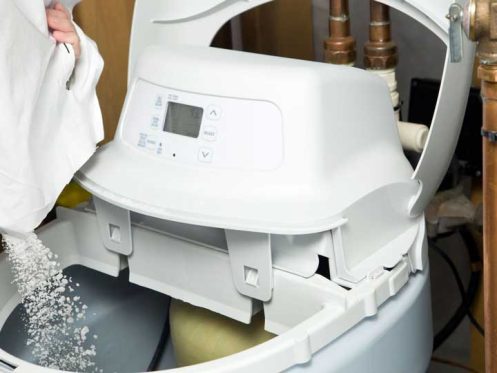
Hard water is a common reality for homeowners in Pacifica, CA, and its effects show up in ways that range from mildly annoying to genuinely costly. Spotted dishes, dry skin after showering, scale-covered faucets, and a water heater that seems to be working harder than it should are all signs that dissolved minerals are making their way through your plumbing system unchecked. A water softener addresses the problem at the source, treating water before it reaches your fixtures and appliances. But the way that system gets installed matters just as much as the decision to install one. Here are five concrete benefits of having a water softener professionally installed in your Pacifica home.
1. The System Is Sized and Selected Correctly for Your Home
One of the most common mistakes homeowners make with water softeners is choosing a unit based on price or a general recommendation without accounting for the specific conditions of their home. Water softener capacity is measured in grains, and the right size depends on both the hardness level of your water supply and the daily water usage of your household.
An undersized unit regenerates too frequently, which shortens its lifespan and wastes salt and water. An oversized unit regenerates too infrequently, which can allow hardness to slip through and reduce efficiency. Neither scenario gives you the performance you’re paying for.
A licensed plumber starts the process by evaluating your water hardness through hard water testing and factoring in your household size and usage patterns before recommending a specific unit. That matching process is something a big box store purchase or a DIY installation simply can’t replicate, and it makes a real difference in how well the system performs over time.
2. Installation Is Done to Code and Connected Properly
Water softener installation isn’t just a matter of connecting a few hoses. It involves tapping into your main water supply line, installing bypass valves, routing a drain line for the regeneration cycle, and in some cases, making modifications to accommodate the placement of the unit. Done incorrectly, any one of these steps can result in leaks, improper water flow, drain line issues, or a system that bypasses the softener entirely without you knowing.
A licensed plumber has the training and tools to make those connections correctly the first time. The installation will meet local plumbing codes, which matters both for the safety of your system and for your homeowner’s insurance. Improperly installed plumbing can create liability issues that a professionally completed job avoids entirely.
If your home’s plumbing requires any adjustments to accommodate the new system, such as adding a dedicated drain connection or modifying the supply line configuration, a plumber can handle those as part of the installation rather than leaving you to figure them out after the fact.
3. Your Plumbing System Is Protected from the Start
The primary purpose of a water softener is to protect your plumbing, your fixtures, and your appliances from the long-term effects of mineral buildup. But the installation itself is also an opportunity to make sure your system is in a condition to benefit from that protection.
A professional installer will identify any existing scale buildup or plumbing issues that could affect how the softener performs. If there’s already significant mineral accumulation inside your pipes or water heater, addressing that alongside the softener installation sets your system up for the best possible outcome rather than softening the water going into pipes that are already compromised.
In some cases, whole-house water filtration is installed alongside a water softener to provide comprehensive treatment. A softener handles mineral hardness, while a filtration system addresses chlorine, sediment, and other contaminants. A professional installation makes it straightforward to integrate both systems correctly.
4. The System Is Set Up and Calibrated for Your Specific Water Supply
Getting a water softener installed and getting it working optimally are two different things. The regeneration cycle, which is the process the softener uses to clean and recharge its resin bed, needs to be programmed based on your actual water hardness level and usage patterns. Salt dosage, regeneration frequency, and cycle timing all affect how efficiently the system operates and how much salt and water it consumes in the process.
A licensed plumber sets these parameters based on your water quality test results and household profile rather than default factory settings, which are often set conservatively and result in more frequent regeneration than necessary. Proper calibration means the system uses the right amount of salt and regenerates at the right intervals, which reduces ongoing operating costs and extends the life of the resin bed.
This is also where water softener maintenance planning begins. A professional installer will walk you through what ongoing maintenance looks like, how often the system needs attention, and what signs to watch for that indicate the system needs servicing. Starting with that knowledge in place makes it far easier to keep the system running well over the years.
5. You Have Professional Support if Something Goes Wrong
When a water softener is professionally installed, you have a clear point of contact if something doesn’t perform as expected. Whether it’s an issue with the regeneration cycle, a connection that develops a slow leak, or a question about salt type and usage, having the installing plumber available for follow-up is a practical advantage that DIY installation doesn’t provide.
Water quality in Pacifica, CA, can also vary somewhat over time as the regional supply blend shifts seasonally. If your water hardness changes enough to affect how the softener is performing, a professional can retest and recalibrate the system accordingly. That kind of ongoing relationship with a plumber who knows your system is genuinely useful.
If the softener is part of a broader water treatment setup that includes a reverse osmosis system for drinking water or additional filtration components, having professional support means all of those systems can be serviced and adjusted together rather than piece by piece.
The Bigger Picture on Water Softener Installation
A water softener is a long-term investment in your home’s plumbing health, your appliances, and your daily comfort. Like most investments, the returns depend heavily on how well it’s set up from the beginning. Professional installation ensures the unit is the right fit for your home, connected correctly, calibrated for your specific water supply, and supported by someone who can help if anything comes up down the road.
For Pacifica homeowners dealing with the effects of hard water, getting the installation right the first time is the straightforward path to actually solving the problem rather than partially addressing it.
Get Your Water Softener Installed the Right Way with Works Plumbing
Works Plumbing helps Pacifica homeowners choose and install water softeners that are properly matched to their homes and water supply. If you’re ready to stop dealing with the effects of hard water, call us today or book online to schedule your installation consultation.