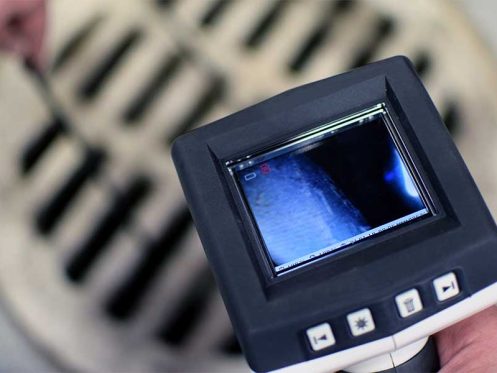
You might notice frequent clogs, unpleasant odors, or unexplained wet spots in your yard. These issues, among others, could signal deeper plumbing problems lurking beneath the surface. Ignoring them can lead to costly repairs and more significant damage down the line. Understanding the warning signs that indicate the need for a pipe camera inspection is essential for maintaining your home’s plumbing system. Let’s explore what you should be on the lookout for.
Frequent Clogs and Backups
If you’re experiencing frequent clogs and backups, it’s a clear sign that your plumbing needs attention.
These issues can indicate deeper problems lurking within your pipes, such as blockages or damage. Ignoring them might lead to more severe consequences, including pipe bursts or extensive water damage. You might find yourself constantly reaching for a plunger, but that only addresses the symptom, not the root cause.
When you notice recurring clogs, it’s time to contemplate a pipe camera inspection. This advanced technology allows professionals to see inside your pipes, identifying the specific issue causing the backups.
Works Plumbing can help with that. Our team arrives ready to tackle your plumbing issues and provides honest, upfront pricing before any work begins.
Don’t let clogs disrupt your life—call us for reliable solutions that guarantee your plumbing operates smoothly again.
Unexplained Wet Spots in Your Yard
Unexplained wet spots in your yard can be a troubling sight, signaling potential plumbing issues beneath the surface.
If you notice these patches, it’s crucial to investigate further. Here are three common causes of wet spots that may require a pipe camera inspection:
- Leaking Pipes: A broken or cracked pipe can leak water, creating soggy areas in your yard.
- Root Intrusion: Tree roots may infiltrate pipes, leading to blockages and leaks that result in wet patches.
- Seepage Issues: Improper drainage or high groundwater levels can cause water to pool in your yard.
If you recognize any of these signs, don’t hesitate to contact a plumbing professional. Additionally, utilizing trenchless pipe repair services can be an efficient solution to address these plumbing concerns without extensive digging.
Acting quickly can prevent more extensive damage and save you money in the long run. A pipe camera inspection can help pinpoint the problem and verify that your plumbing system is functioning correctly.
Unpleasant Odors Coming From Drains
If you’re noticing unpleasant odors coming from your drains, it’s a clear sign that something’s not right.
These smells can stem from various sources, like trapped food or sewer gases.
Getting a pipe camera inspection can help identify the issue and save you from bigger problems down the line. Additionally, this service can reveal any potential issues with your sump pump installation that may be contributing to the odors.
Source of Odors
When unpleasant odors waft from your drains, it’s often a sign of underlying issues that need attention.
These smells can indicate a range of problems, and addressing them promptly is essential for your home’s plumbing health.
Here are three potential sources of those odors:
- Clogged Drains: Debris buildup can trap food particles, causing bacteria to grow and emit foul smells.
- Sewer Line Issues: A break or blockage in your sewer line can lead to sewage odors seeping into your home.
- Trapped Water: Stagnant water in your drains may produce musty or rotten odors, often due to a dry trap.
If you notice these signs, it’s time for a pipe camera inspection to identify and resolve the source of the problem efficiently.
Common Causes Explained
Three common causes of unpleasant odors coming from your drains can signal serious plumbing issues that need immediate attention.
First, a buildup of food particles and grease can create a nasty odor as they decompose.
If you notice a smell resembling rotten eggs, it might indicate a gas leak from your sewer line, which is a hazardous situation.
Finally, stagnant water in your pipes can lead to mold growth, contributing to musty smells.
Ignoring these odors can lead to more significant plumbing problems down the line, so it’s crucial to address them promptly.
If you’re experiencing persistent odors, don’t hesitate to contact a professional plumber to investigate and resolve the issue before it escalates.
Inspection Benefits Explained
While unpleasant odors from your drains can be bothersome, they also serve as essential indicators of underlying plumbing issues that require inspection.
Ignoring these smells can lead to more significant problems down the line. A pipe camera inspection can uncover the source of the odor and prevent further damage.
Here are three benefits of getting this inspection done:
- Identify Blockages: The camera can pinpoint clogs or buildup causing the odors.
- Locate Leaks: It helps in finding hidden leaks that might be contributing to unpleasant smells.
- Prevent Future Issues: Early detection can save you money on costly repairs by addressing problems before they escalate.
Don’t let bad smells linger; call for a professional inspection today!
Slow Draining Sinks and Bathtubs
If your sinks and bathtubs are draining slowly, it’s often a sign of underlying issues that shouldn’t be ignored.
Common causes can range from clogs to more serious plumbing problems. Acting promptly can save you from bigger headaches down the line, so let’s explore what might be going wrong. Additionally, it may be wise to consider a professional assessment for repairs, especially if you notice signs of garbage disposal issues.
Common Causes Explained
When your sinks and bathtubs drain slowly, it’s often a sign of underlying issues that need attention. Several common causes could be at play, and identifying them can help you take action sooner rather than later.
Here are three potential culprits:
- Clogged Drains: Hair, soap scum, and food particles can build up over time, leading to blockages.
- Pipe Damage: Cracks or corrosion in your pipes can restrict water flow, causing slow drainage.
- Ventilation Issues: Poorly installed or blocked vents can create pressure imbalances, affecting drainage efficiency.
Addressing these issues promptly can save you from more extensive repairs down the line.
If you suspect a problem, consider scheduling a pipe camera inspection for a closer look.
When to Act Promptly
Slow-draining sinks and bathtubs can be more than just an inconvenience; they often signal that something’s wrong in your plumbing system.
If you notice water pooling or draining slowly, it’s time to act promptly. Ignoring these signs can lead to bigger issues, like complete clogs or even pipe damage.
Don’t wait until the problem escalates—address it as soon as you notice the slowdown. A pipe camera inspection can help pinpoint the cause, whether it’s a buildup of hair, grease, or tree roots invading your lines.
By taking swift action, you’ll not only save yourself from costly repairs but also maintain the efficiency of your plumbing.
Trust Works Plumbing to help diagnose and resolve these issues quickly and effectively.
Mysterious Increase in Water Bills
As you open your latest water bill, the sudden spike in charges may leave you scratching your head. You might wonder if there’s an unseen leak or a plumbing issue lurking beneath the surface. Ignoring this situation isn’t wise, as it can lead to more significant problems.
Here are a few reasons for that mysterious increase:
- Hidden Leaks: Undetected leaks can waste a significant amount of water, driving up your bill without you realizing it.
- Faulty Fixtures: Malfunctioning faucets or toilets may be using more water than they should, contributing to higher costs.
- Inefficient Appliances: Older appliances or water heaters may not be working efficiently, leading to increased water consumption.
If you recognize these signs, it might be time to contemplate a pipe camera inspection. This can help identify the root cause of your escalating water bills, ensuring you get back on track. Additionally, utilizing specialized tools for drain cleaning can help address any underlying plumbing issues effectively.
Gurgling Sounds in Plumbing System
If you’re hearing gurgling sounds in your plumbing system, it’s a signal that something might be off.
These noises often indicate blockages or venting issues that could lead to bigger problems.
Scheduling an inspection can help you identify the cause and prevent costly repairs down the line.
Causes of Gurgling Sounds
Gurgling sounds in your plumbing can be more than just an annoying noise; they often signal underlying issues that need attention.
If you’re hearing these sounds, it’s important to understand what might be causing them. Here are three common culprits:
- Clogged Drains: Debris buildup can restrict water flow, causing air bubbles to form and create gurgling noises as water struggles to pass through.
- Ventilation Issues: Poor venting can lead to a vacuum effect in your plumbing, resulting in gurgling as air tries to escape through the wrong channels.
- Sewer Line Problems: Damaged or blocked sewer lines can disrupt the normal flow of wastewater, leading to unsettling gurgling sounds in your home.
If you experience these symptoms, it might be time to contemplate a pipe camera inspection.
Importance of Inspections
When you notice gurgling sounds in your plumbing, it’s essential not to ignore them, as they can indicate deeper issues within your system.
These sounds often suggest that air is trapped in your pipes or that there’s a blockage hindering proper drainage. Scheduling a pipe camera inspection can help you identify the root cause quickly and accurately.
This advanced technology allows professionals to see inside your pipes without invasive digging, saving you time and money. Addressing plumbing issues early prevents further damage and costly repairs down the road.
By prioritizing inspections, you guarantee your plumbing operates smoothly, maintain your home’s value, and avoid unwelcome surprises.
Don’t wait—act now to keep your plumbing in top shape!
Cracks or Shifts in Foundation
Cracks or shifts in your foundation can signal serious plumbing issues lurking beneath the surface. If you notice these signs, it’s crucial to act quickly to prevent further damage.
Here are three key reasons to evaluate a pipe camera inspection:
- Hidden Leaks: Cracks may indicate leaks in your plumbing system, leading to water damage and mold growth if left unchecked.
- Soil Erosion: Shifts in your foundation can result from soil erosion caused by leaking pipes, compromising the stability of your home.
- Foundation Repair Costs: Early detection of plumbing issues can save you from costly foundation repairs down the line.
Don’t ignore these warning signs. A pipe camera inspection can provide valuable insights into the condition of your plumbing and help you maintain a safe, secure home.
Reach out to a professional for a thorough assessment today!
Aging Pipes and Infrastructure
As you assess your home’s plumbing, don’t overlook the impact of aging pipes and infrastructure. Over time, pipes naturally deteriorate due to factors like corrosion, mineral buildup, and shifting soil.
If your home was built several decades ago, it’s especially important to keep an eye on your plumbing system. Signs of aging pipes can include low water pressure, discolored water, or frequent leaks.
Ignoring these issues can lead to more significant problems, such as pipe bursts or sewage backups, which can be costly and disruptive. A pipe camera inspection can help identify hidden issues before they escalate.
By catching problems early, you can avoid extensive repairs and guarantee your plumbing system functions efficiently. Don’t wait for a major disaster; take proactive steps to safeguard your home’s plumbing by considering a camera inspection today.
Your home’s infrastructure deserves the best care, and timely action can save you money in the long run.
Recent Home Renovations or Landscaping
If you’ve recently completed home renovations or landscaping, you might inadvertently be putting stress on your plumbing system. Changes to your home’s layout or yard can disrupt existing pipes or create new issues.
It’s crucial to keep an eye out for specific warning signs.
Here are three indicators that a pipe camera inspection may be necessary:
- Unexplained Wet Spots: If you notice damp areas in your yard or basement, it could signal a leak in your plumbing.
- Slow Drains: Renovations can lead to debris entering your pipes, causing clogs that affect drainage throughout your home.
- Changes in Water Pressure: If you experience fluctuations in water pressure after renovations, it might indicate a problem with your piping.
Don’t wait for a minor issue to escalate. A pipe camera inspection can help identify and resolve potential plumbing problems before they worsen.
Presence of Pests Near Plumbing Fixtures
Pests lurking near your plumbing fixtures can be more than just an annoyance; they often indicate underlying plumbing issues. If you spot insects or rodents near your sink, toilet, or other plumbing areas, it’s a sign that there might be leaks or gaps in your plumbing system.
These leaks create moist environments that attract pests, leading to potential infestations. Ignoring these signs can lead to more serious problems, like water damage or even structural issues.
You should take immediate action if you notice increased pest activity. A pipe camera inspection can help identify hidden leaks or cracks that may be causing the pest problem.
Don’t wait until it escalates! Reach out to Works Plumbing for a thorough inspection. Their team is equipped to tackle these plumbing issues quickly and effectively, ensuring your home remains safe and pest-free.
Conclusion
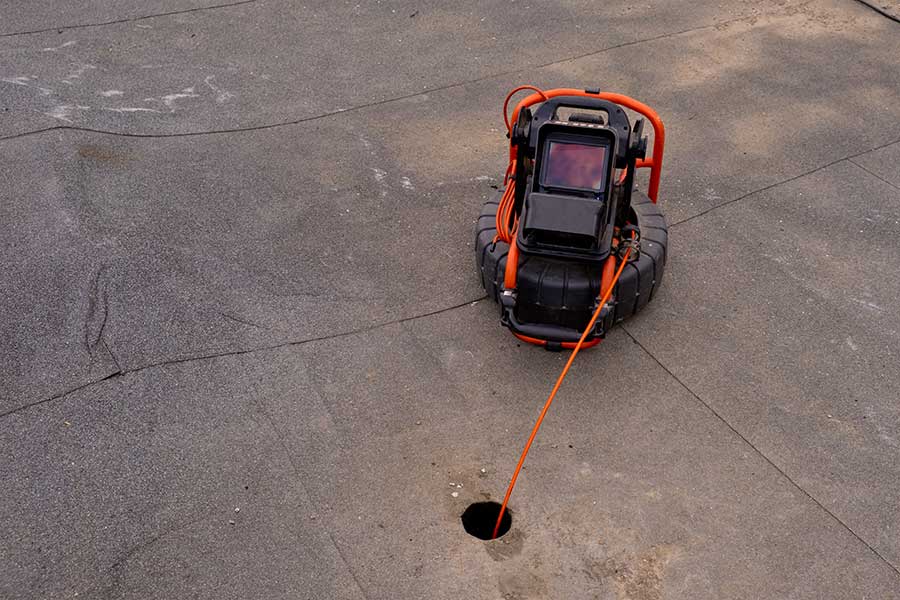
If you notice any of these warning signs, don’t wait—trust your instincts. Ignoring issues like frequent clogs or unexplained wet spots can lead to more significant problems down the line. A pipe camera inspection can uncover hidden damage and save you from costly repairs. Remember, it’s better to address plumbing concerns early rather than face potential emergencies later. By being proactive, you can guarantee your home’s plumbing system remains in top shape and your property stays protected.