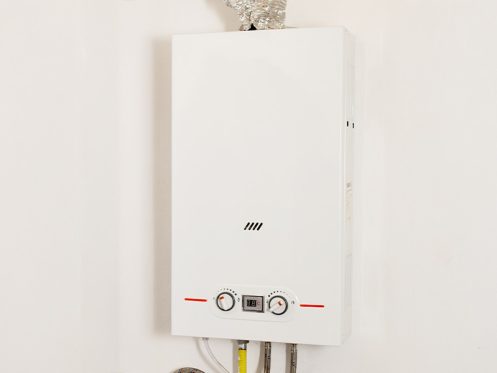
Have you ever wondered how to keep your tankless water heater running efficiently for years? In Burlingame, CA, regular maintenance is key to ensuring your unit performs at its best. From flushing the system to monitoring temperature settings, there are several smart tips to follow. Discover how these simple steps can enhance both the longevity and efficiency of your water heater, ensuring you never run out of hot water when you need it most.
Regular Maintenance and Inspections
To keep your tankless water heater running efficiently, regular maintenance and inspections are essential. By scheduling these check-ups, you can catch potential issues before they escalate.
Start by examining the exterior for any signs of leaks or damage; this can save you from costly repairs later on. Make certain the vents are clear and unobstructed to guarantee peak performance.
It’s also a good idea to check the filter and clean it as necessary. Dust and debris can accumulate, affecting your water heater’s efficiency.
If you notice any unusual noises or fluctuations in water temperature, don’t hesitate to call a professional for a deeper inspection. Regular maintenance and inspections can help ensure the longevity and efficiency of your tankless system.
Flushing the System
While maintaining your tankless water heater, flushing the system is an essential step that shouldn’t be overlooked. This process helps remove sediment and mineral buildup that can affect performance and efficiency. You should aim to flush the system at least once a year, especially if you live in an area with hard water.
To begin, turn off the power and water supply to your heater. Connect a hose to the flush port and run it into a bucket or drain.
Next, use a descaling solution to fill the system. Allow the solution to circulate for about 30 minutes, ensuring it reaches all parts of the unit. This routine maintenance can greatly extend the life of your heater and prevent issues such as an inconsistent hot water supply.
Once done, rinse the system with fresh water to remove any remaining solution.
Checking for Mineral Buildup
Since mineral buildup can greatly impact your tankless water heater’s efficiency, it’s crucial to check for it regularly.
Start by inspecting the water inlet filter and the heat exchanger for any signs of scale or deposits. If you notice a decrease in water flow or temperature, mineral buildup might be the culprit.
To prevent issues, consider flushing the system with a descaling solution at least once a year, especially if you live in an area with hard water. This process helps remove any accumulated minerals and keeps your unit running smoothly.
Keep an eye on your heater’s performance, and if you’re unsure about the maintenance process, don’t hesitate to reach out to a professional. Regular checks and cleaning can extend the lifespan of your heater and improve its efficiency, ensuring you always have hot water when you need it. Additionally, investing in a tankless water heater can lead to potential savings on energy costs.
Ensuring Proper Ventilation
Guaranteeing proper ventilation is vital for your tankless water heater to operate efficiently and safely. Without adequate airflow, your unit can overheat, leading to reduced performance and potential damage.
Make certain to install your heater in a well-ventilated area, away from obstructions. Check that vents are clear of debris, such as dust or cobwebs, which can restrict airflow.
It’s essential to follow the manufacturer’s guidelines for venting installation. If your heater uses gas, verify the exhaust is vented outside properly to avoid harmful gas buildup.
Regularly inspect the ventilation system for any signs of wear or corrosion. If you notice any issues, don’t hesitate to contact a professional plumber.
Proper ventilation not only extends the life of your tankless water heater but also keeps your home safe and comfortable. Remember, a well-ventilated unit works more efficiently, helping you save on energy costs in the long run. Additionally, regular maintenance can prevent severe clogs that may affect the performance of your water heater.
Monitoring Temperature Settings
After making sure your tankless water heater has proper ventilation, it’s time to focus on monitoring temperature settings. The ideal temperature for most households is around 120°F. This setting balances comfort and energy efficiency, ensuring you get hot water without wasting energy.
If you find that the water isn’t hot enough or is too hot, adjust the temperature on your heater. Check the user manual for specifics on how to make these adjustments. Regularly monitor the temperature, especially if you notice fluctuations in your hot water supply.
Don’t forget to take into account safety, especially if you have children. Setting the temperature too high can lead to scalding.
If you’re unsure about what settings are best for your home, consult a plumbing professional. Keeping an eye on your temperature settings will help maintain your tankless water heater’s efficiency and longevity, ensuring you enjoy reliable hot water when you need it.
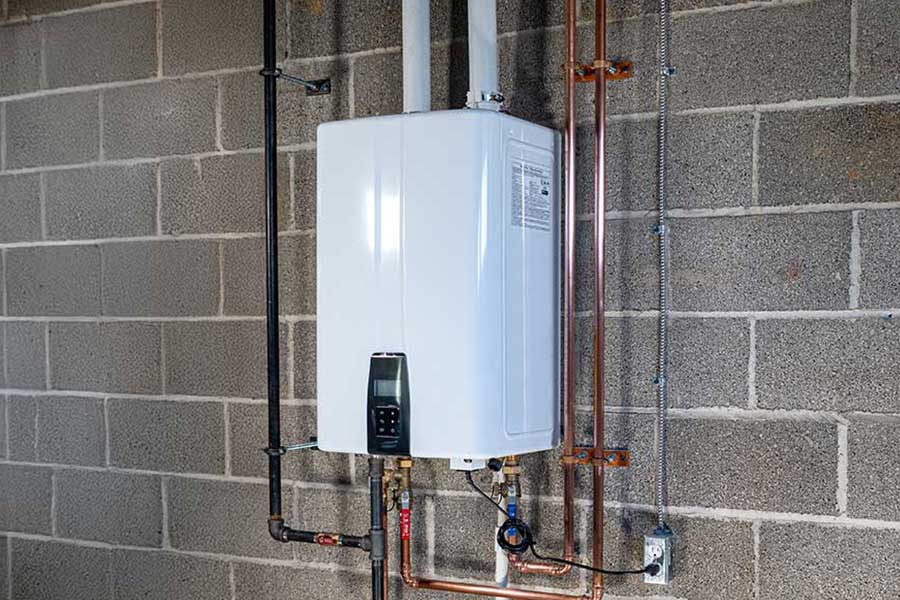
Conclusion
By keeping your tankless water heater in top shape, you’re not just preventing minor issues—you’re dodging a potential water heater apocalypse! Imagine waking up to ice-cold showers or a geyser in your basement! With regular maintenance, annual flushes, and careful monitoring, you’ll guarantee your unit runs smoothly like a well-oiled machine, saving you money and hassle. So, give your heater the care it deserves, and enjoy endless hot water bliss without the drama!